Best Fasteners for Plumbers
Plumbers fasten pipe, not lumber: straps and clamps that hold copper, PEX, and PVC without noise or corrosion, short screws that hang them from framing, and concrete anchors that put water heaters and manifolds on masonry walls. The golden rule is galvanic — never let bare steel touch copper in a damp space.
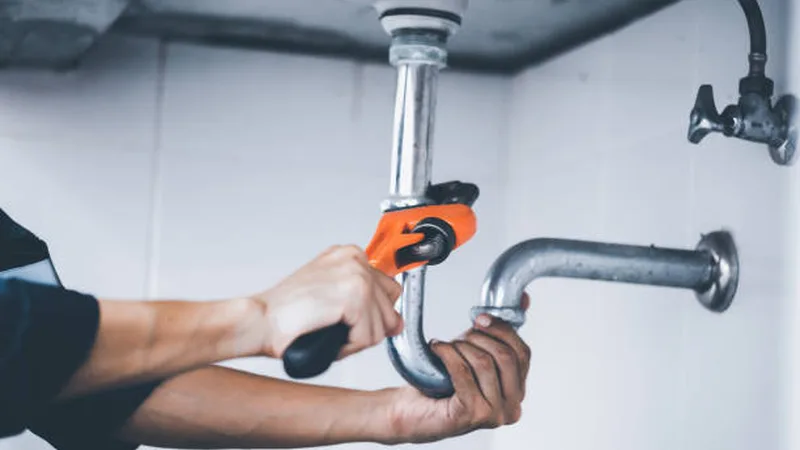
What to Look For
- Strap metal matched to the pipe — copper or plastic-coated straps on copper, stainless or coated on everything else.
- Isolated hangers where pipes expand — plastic-lined clamps stop ticking and let hot lines move.
- #8 or #10 pan-head screws, 1/2 to 3/4 in, for straps to framing — short, wide heads that never pull through.
- Concrete screws or wedge anchors for manifolds, heaters, and softeners mounted on block walls.
- PEX clips with standoff for plastic lines — they hold the tube while letting it expand and contract.
Top Picks
1. Stainless pipe clamp and hanger assortment Best overall
Adjustable stainless clamps that fit copper, PEX, and PVC in common sizes — one assortment handles supply, drain, and gas-pipe supports.
Check price on Amazon →2. HoldRite acoustic isolation pipe clamps Best upgrade
The fix for ticking pipes — plastic-lined clamps that surround copper completely, killing metal-to-wood contact, noise, and galvanic worries in one product.
Check price on Amazon →3. PEX tubing clips, 100-pack Best for PEX
Screw-hole plastic clips that snap PEX in place with room to expand — faster than straps and quieter than metal hangers.
Check price on Amazon →4. Tapcon concrete screw kit with bit Best for masonry walls
Manifolds, arrestors, and heater straps on block and poured walls — concrete screws with the matched bit make it a one-trip job.
Check price on Amazon →What to Avoid
Avoid
- Bare steel straps on copper in damp spaces — galvanic corrosion eats the contact point; isolate or match metals.
- Nails for pipe hangers — they back out under vibration and water hammer; screws hold.
- Strapping pipe rigid with zero room to grow — expanding hot lines tick, knock, and eventually break hangers loose.
- Drywall screws in wet locations — they rust through fast; use coated or stainless screws near plumbing.
Also in the toolbox
- 12V impact driver kit — straps and clips between joists, one-handed
- PEX crimp tool kit — rings, cutter, and go/no-go gauge in one case
- SDS-plus rotary hammer drill — manifolds and heaters on block walls
FAQ
What screws should be used with copper pipe straps?
Brass or coated screws with copper straps to avoid galvanic corrosion — code requires materials that will not promote galvanic action. In dry locations steel screws are commonly accepted, but isolation tape or lined clamps remove all doubt.
Why do my pipes tick when the hot water runs?
Copper expands as it heats and scrapes against tight metal straps or framing. The fix is isolated hangers that let the pipe slide — or at minimum, wrapping the contact point so metal never touches wood or steel.
How far apart should pipe supports be?
Roughly every 6 ft for horizontal copper, every 32 in for PEX (it sags), and every 4 ft for PVC — always check local code, which sets maximum hanger spacing by pipe material and size.
Are plastic or metal pipe hangers better?
Plastic-lined or full-plastic hangers win for copper and PEX — quieter, no corrosion, and they allow expansion. Solid metal hangers suit heavy cast-iron and steel pipe where strength matters most.
Keep Reading
Affiliate links — we may earn a commission at no cost to you.