How to Use a Screw Extractor (Broken Bolts & Screws)
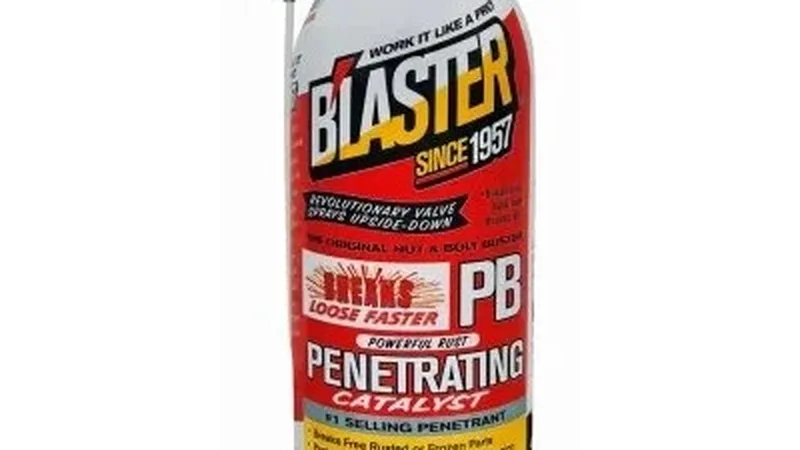
Soak the broken fastener with penetrating oil, tap it with a hammer to work the oil in, and wait at least 30 minutes.
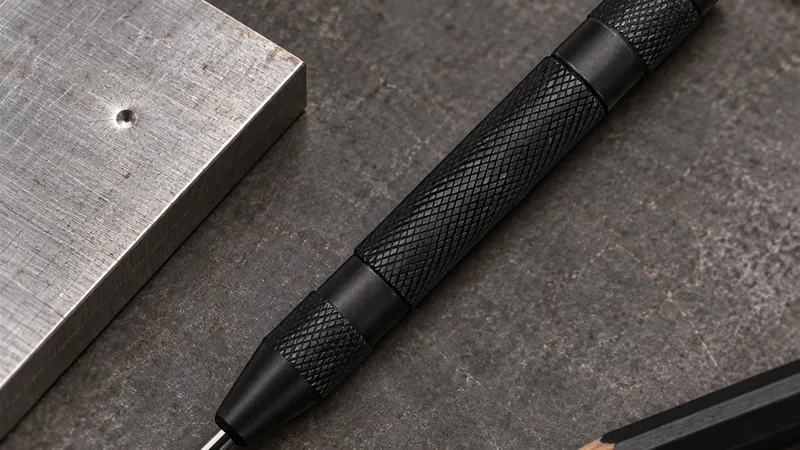
Center-punch the exact middle of the broken face so the drill bit starts on center instead of wandering.
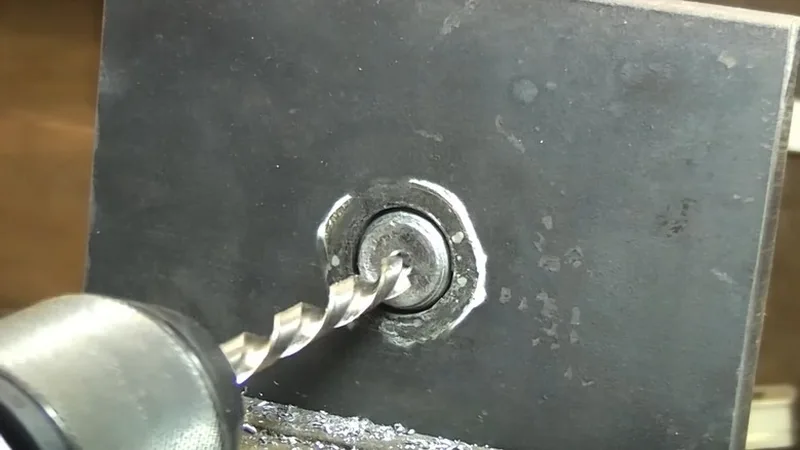
Drill a pilot hole with the bit size the extractor kit specifies — start with a 1/16 in bit if the surface is jagged, using light pressure and cutting oil.
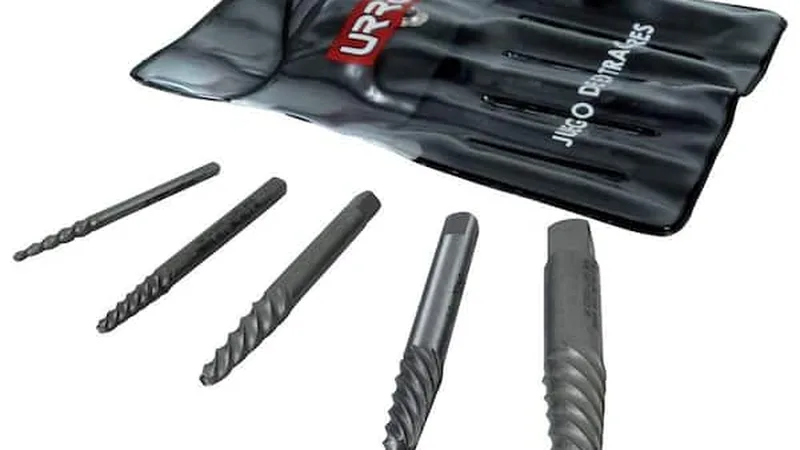
Tap the extractor into the hole with a hammer until its reverse threads bite, keeping it perfectly straight.
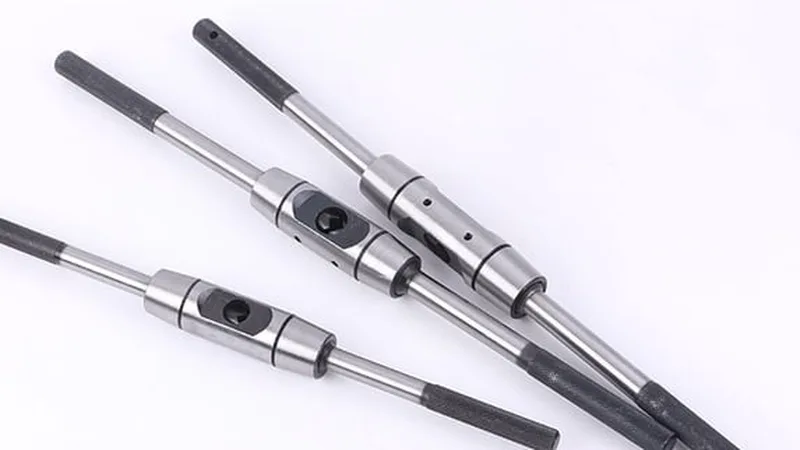
Turn counterclockwise with a tap wrench while pushing down firmly — slow, steady pressure backs the fastener out.
If the extractor slips, stop immediately: try heat on the surrounding metal, step up one extractor size, or drill the fastener out completely and re-tap the hole.
FAQ
My extractor just spins — what am I doing wrong?
Almost always the direction: extractor flutes are reverse-threaded, so turn counterclockwise (left) to make them bite — turning right only polishes the hole smoother. Run the extractor by hand with a tap wrench, not a drill: a drill out-paces the stuck screw’s ability to back out. If it still slips, step up one extractor size before drilling any further.
What do I try when screw extractors fail completely?
Escalate in order: JB-Weld an Allen key into the stripped recess, let it cure fully, and turn it out (solder is far too soft for this). Next, weld a nut onto the head if you have the equipment. Last resort: drill the head off, lift the parts away, then grip the shank with pliers or drill it out and re-tap the hole.
How do I keep the last screw from stripping?
Loosen every screw in the assembly first, then remove them one at a time. All the clamping tension bears on the final screw, which is why the last one always fights hardest — and strips easiest.