Finish Nail vs. Brad Nail
Both sink into trim and hide under filler — but finish nails (15–16 gauge) grip like fasteners while brads (18 gauge) are closer to pins. Pick finish nails for casing and baseboard that must stay put; pick brads for delicate trim where splitting is the enemy.
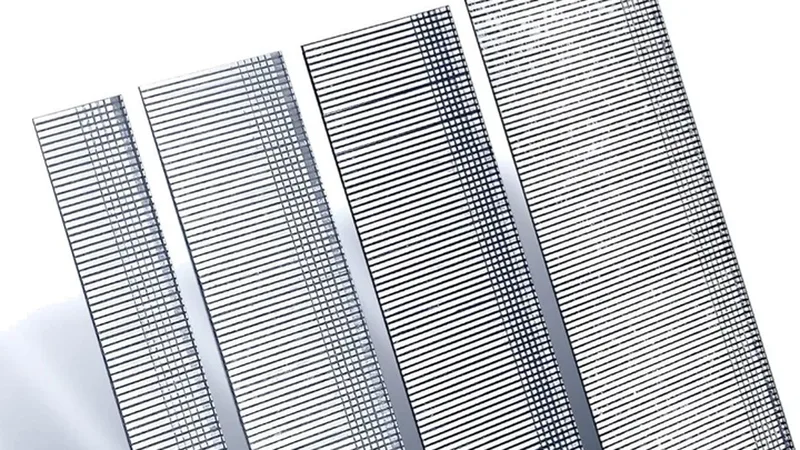
| Feature | Finish Nail | Brad Nail |
|---|---|---|
| Gauge | 15 or 16 (thicker) | 18 (thinner) |
| Head | Small cupped head — sets and holds | Tiny head, nearly invisible |
| Holding power | High — structural trim | Low — glue does the real work |
| Hole size | Small, needs filler | Nearly invisible, often no filler |
| Splitting risk | Can split thin or hardwood trim | Rarely splits — safest for delicate stock |
| Tool | 15–16ga finish nailer (angled or straight) | 18ga brad nailer only |
| Best for | Casing, baseboards, crown, stairs | Shoe molding, crafts, thin veneer trim |
Verdict
Shop This Comparison
- Finish nail assortment (15-gauge) — the heavy-trim side
- Brad nail assortment (18-gauge) — the delicate-trim side
Affiliate links — we may earn a commission at no cost to you.
FAQ
What is a brad nail?
An 18-gauge finishing nail with a tiny head, shot from a brad nailer. It holds light trim in place (usually with glue) and leaves a hole so small it often needs no filler.
Can I use finish nails in a brad nailer?
No — gauges are not interchangeable. A brad nailer takes 18-gauge brads only; 15–16 gauge finish nails need a finish nailer with the matching magazine and driver blade.
Will brad nails hold baseboard?
Not alone. Brads lack the grip for tall or springy baseboard — use 15–16 gauge finish nails (with construction adhesive on wavy walls) and save brads for shoe molding and returns.
Do brad nails split wood?
Rarely — that is their superpower. The thin 18-gauge shank displaces little fiber, so brads are the safe choice for thin stock, hardwoods, and near-edge nailing where finish nails split.