How to Choose the Right Fastener

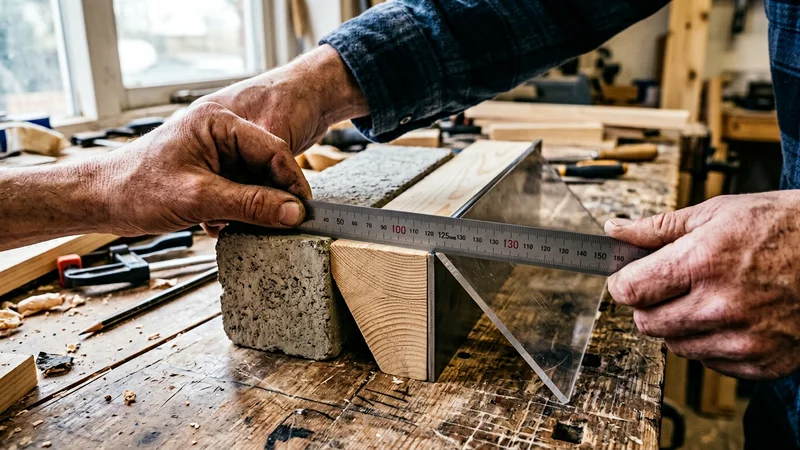
  1. Identify the materials you are joining (wood, metal, plastic, masonry) and their thickness.

    Save Step 1: Identify the materials you are joining (wood, metal, plastic, masonry) and their thickness.
  2. Decide whether the joint must be removable or can be permanent.

    Save Step 2: Decide whether the joint must be removable or can be permanent.
  3. Estimate the load: shear (sideways), tensile (pull-apart), and vibration.

    Save Step 3: Estimate the load: shear (sideways), tensile (pull-apart), and vibration.
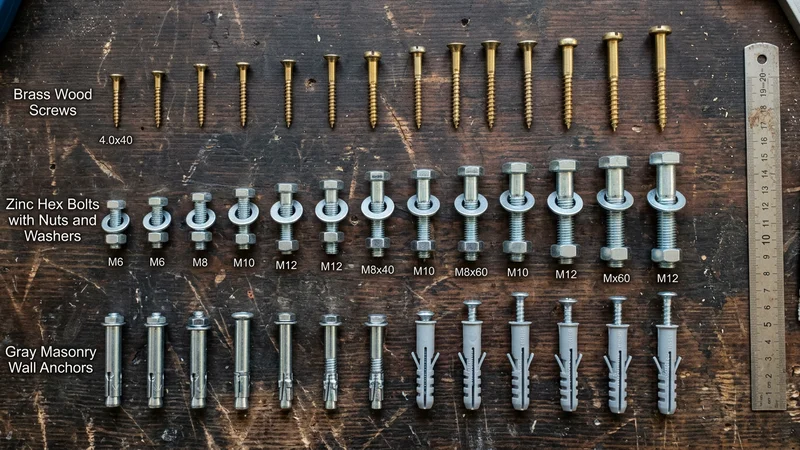
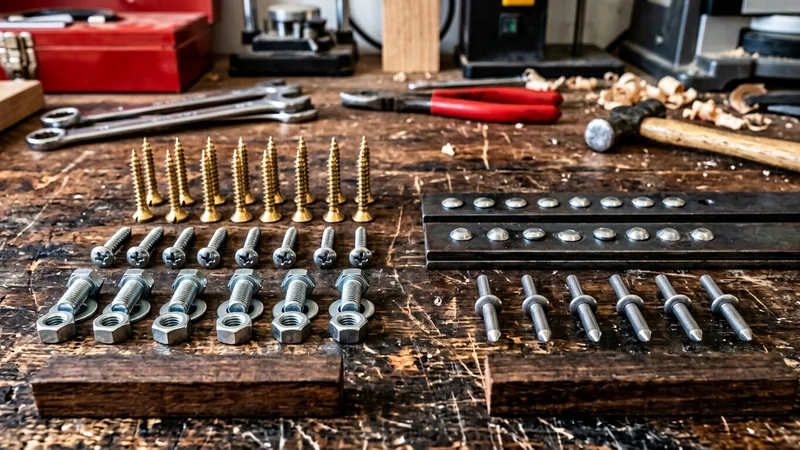
  4. Pick a fastener family: screws for grip into a material, bolts for clamping with a nut, anchors for masonry/hollow walls.

    Save Step 4: Pick a fastener family: screws for grip into a material, bolts for clamping with a nut, anchors for masonry/hollow walls.
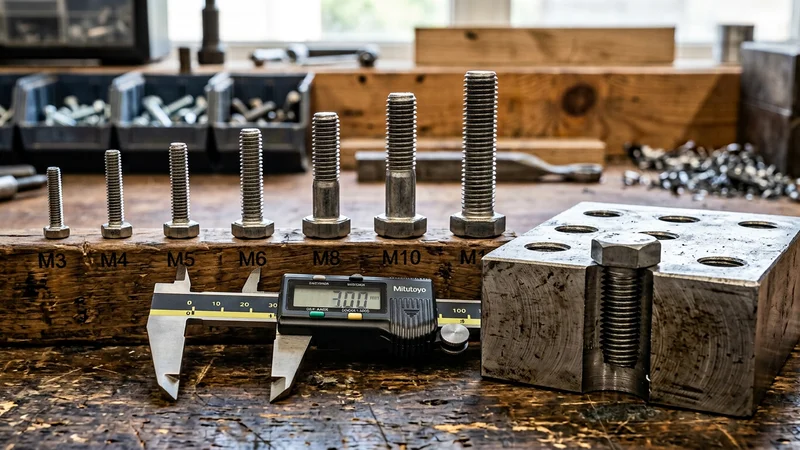
  5. Size it: diameter carries the load; length should give full thread engagement without bottoming out.

    Save Step 5: Size it: diameter carries the load; length should give full thread engagement without bottoming out.
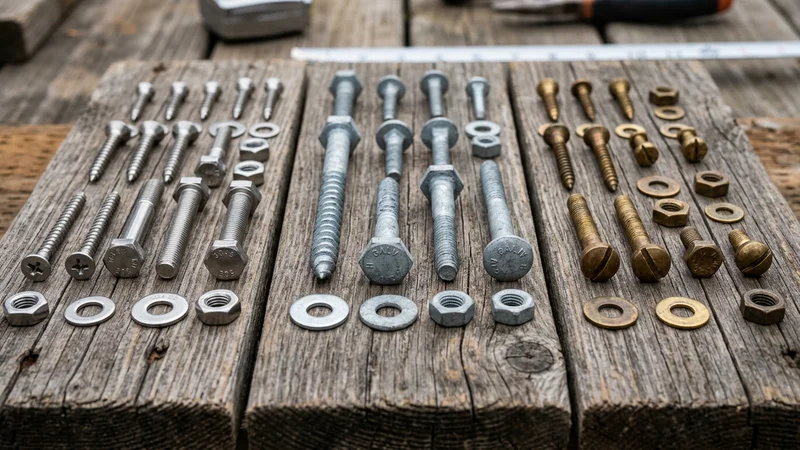
  6. Match the material to the environment — stainless or coated outdoors, zinc indoors.

    Save Step 6: Match the material to the environment — stainless or coated outdoors, zinc indoors.
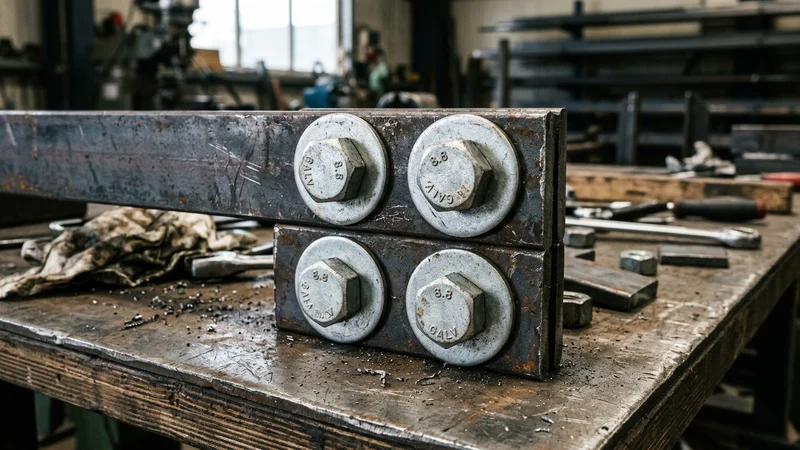
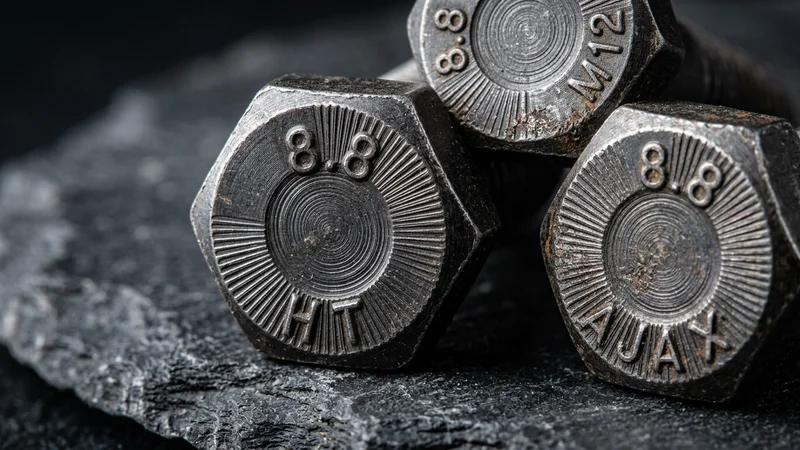
  7. Select the grade to the load; do not over-spec as a substitute for joint design.
    Save Step 7: Select the grade to the load; do not over-spec as a substitute for joint design.
Related Fasteners