How to Install a Drywall Anchor
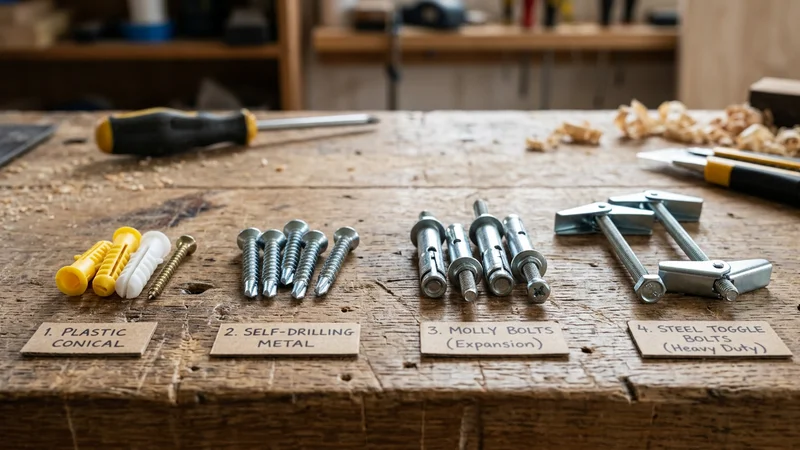
Choose the anchor for the weight: plastic conical for light items, threaded/self-drilling or molly for medium, toggle for heavy.
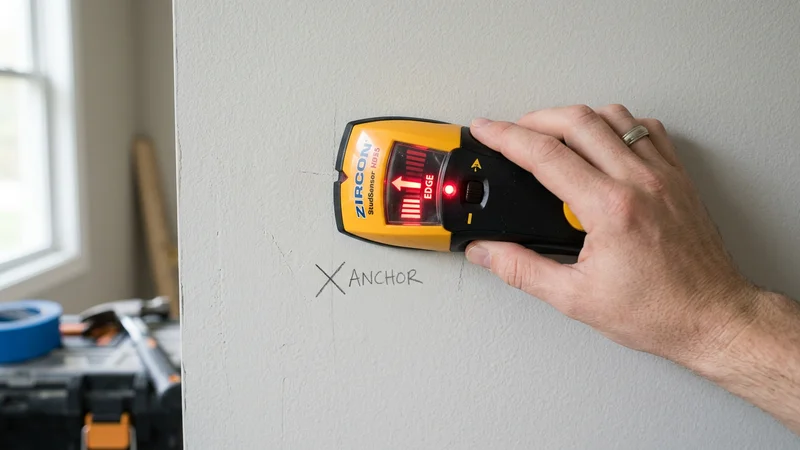
Mark the location and check there is no stud, wire, or pipe behind it.
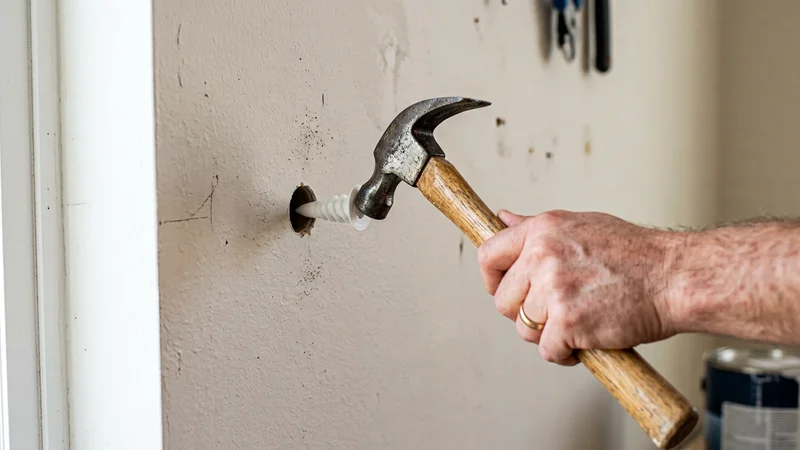
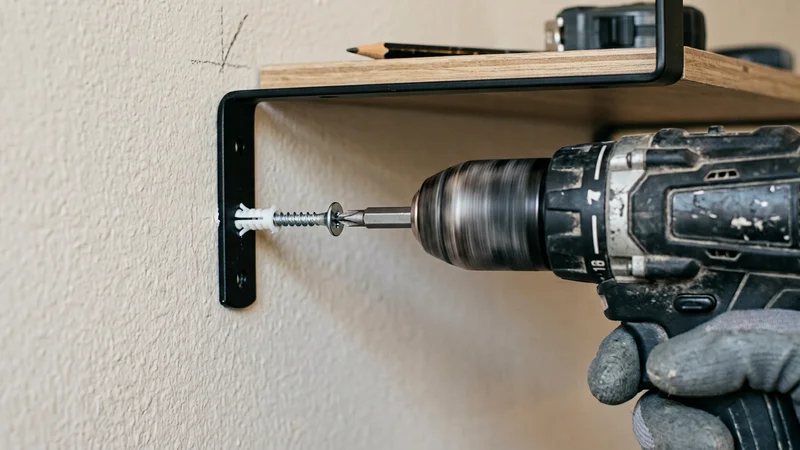
For conical anchors, drill or punch a hole slightly smaller than the anchor and tap it in flush.
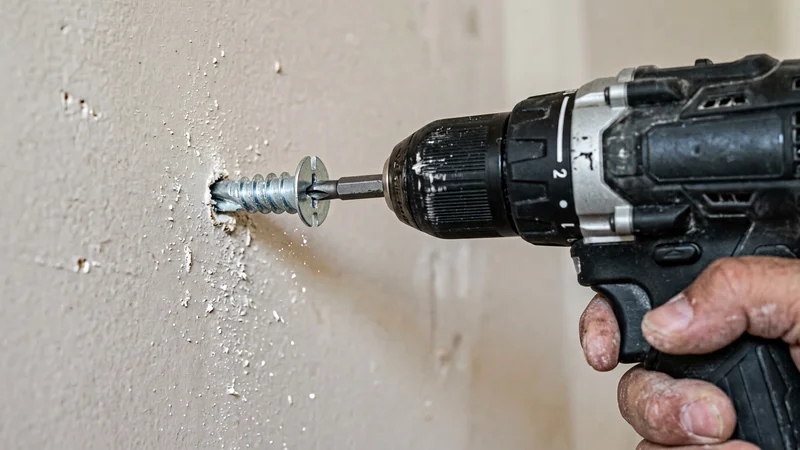
For self-drilling metal anchors, drive the anchor in with a drill until flush — no pilot hole needed.
Position the fixture and drive the screw until the anchor expands and the screw is snug.
Stop before over-tightening — the anchor will spin in an enlarged hole and lose grip.
FAQ
How do I remove old drywall anchors with the least damage?
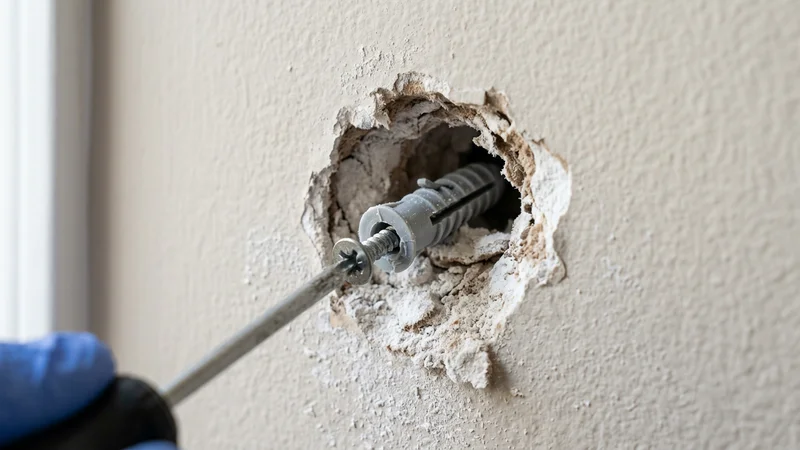
Don’t yank them out — pulling tears the paper face and doubles the patch job. For plastic anchors, thread a screw in a few turns and wiggle-pull gently with pliers. For metal, toggle, or stubborn anchors, push them through the wall with a screwdriver (drill the collar off first if it resists), then spackle, sand, and paint. About thirty seconds a hole.
Why does my anchor spin instead of gripping?
The hole is oversized — the number-one anchor killer. A hole even 1/16 in too big lets the anchor rotate instead of expanding. Move over an inch and drill the exact size printed on the package, or step up to a self-drilling threaded anchor that cuts its own correctly-sized hole.
Can drywall anchors hold guitars or other heavy items?
Only with the right anchor — never cheap tap-in plastic for anything you lift daily. Dynamic loads (guitars on and off hangers, towel bars yanked sideways) defeat light anchors fast. Best practice: screw a painted 1x4 into the studs and mount the hardware to that. No studs available: use snap toggles, which hold 100+ lbs each in 1/2-in drywall.