Solid Rivet vs. Pop Rivet
Both make permanent metal joints — but a solid rivet needs a bucking bar on the back side and rewards skill with aircraft-grade strength, while a pop (blind) rivet sets from one side with a basic gun and owns the world of repairs.
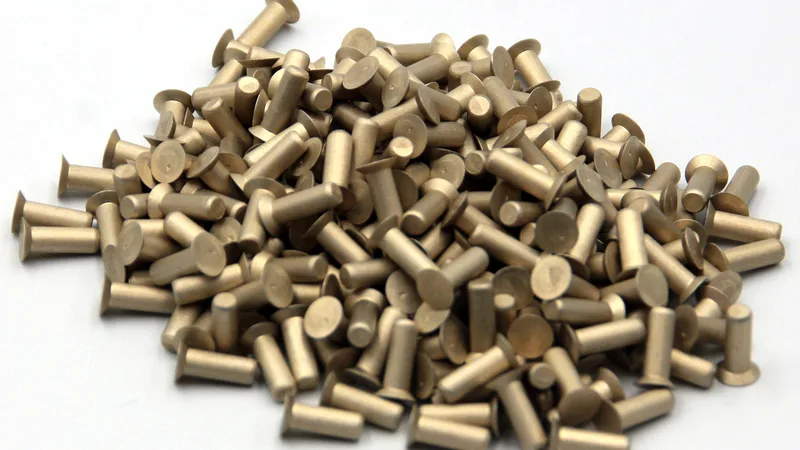
| Feature | Solid Rivet | Pop Rivet |
|---|---|---|
| Access | Both sides — gun plus bucking bar | One side only — the blind side can be unreachable |
| Strength | Highest — solid shank swells to fill the hole | Moderate — hollow body, stem snaps off |
| Watertight | Yes with sealant (fuel tanks prove it) | Open-end no; closed-end yes |
| Skill required | High — bucking takes practice | Low — drill, insert, squeeze |
| Tooling | Rivet gun or squeezer plus bucking bar | Hand, lever, or pneumatic rivet gun |
| Appearance | Shop head or flush countersunk | Domed head with a stem pip |
| Removal | Drill out carefully | Drill out — the hollow center guides the bit |
| Best for | Aircraft, trailers, structural permanent joints | Sheet metal, gutters, auto trim, quick repairs |
Verdict
Shop This Comparison
- Solid rivet assortment with bucking bar — the aircraft side
- Pop rivet assortment with hand riveter — the DIY side
Affiliate links — we may earn a commission at no cost to you.
FAQ
Are pop rivets strong?
Strong in shear for sheet metal — a 3/16 in aluminum pop rivet holds hundreds of pounds — but they are not structural fasteners. Size up in diameter and use more of them before expecting bolts-level strength.
Are pop rivets waterproof?
Open-end pop rivets breathe through the hollow body; closed-end (sealed) pop rivets are watertight. For gutters, marine, and outdoor enclosures, specify closed-end.
What size drill bit for a 1/8 in pop rivet?
Drill the rivet diameter: a 1/8 in (#30) bit for a 1/8 in rivet. An oversized hole kills strength fast — the rivet body must fill the hole to grip.
How do you remove a pop rivet?
Center-punch the broken stem, then drill through the head with a bit the same diameter as the rivet. The hollow center guides the bit, and the head pops off for easy cleanup.