Types of Rivets and Their Uses (with Pictures)
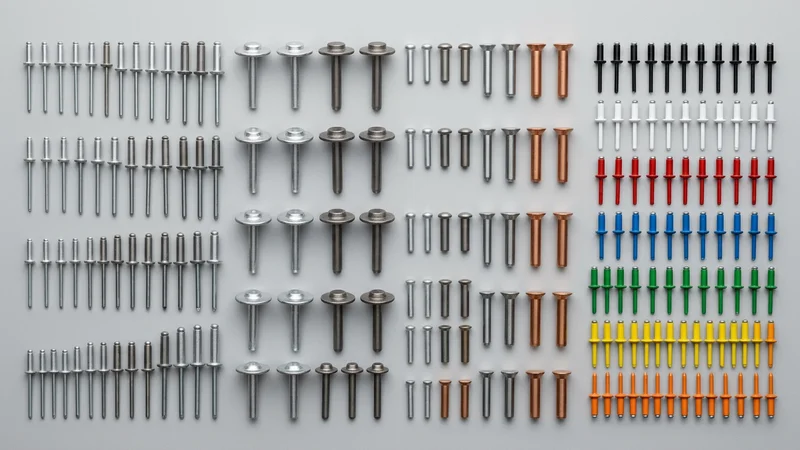
Every rivet family with pictures — blind to solid to structural — and which joints each one suits.
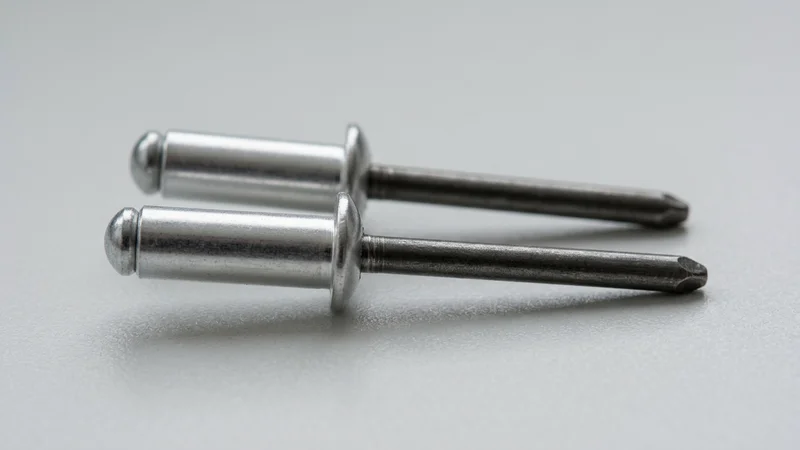
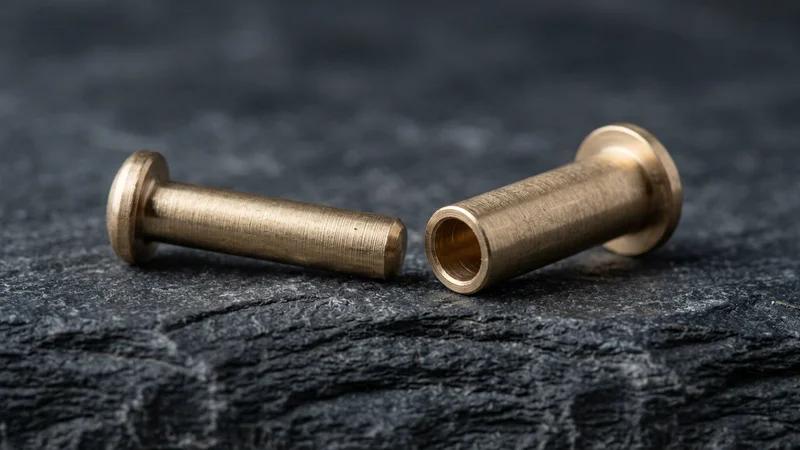
Solid Rivet
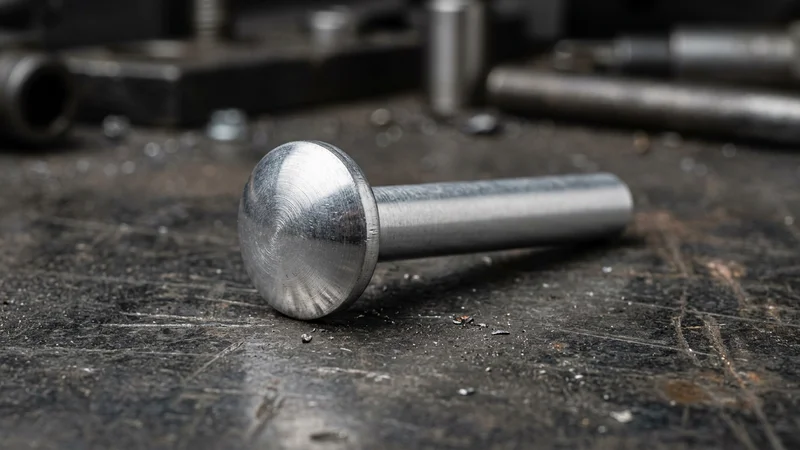
A hammer-set single-piece rivet — the strongest joint.
Best for: Aircraft, bridges, trailers
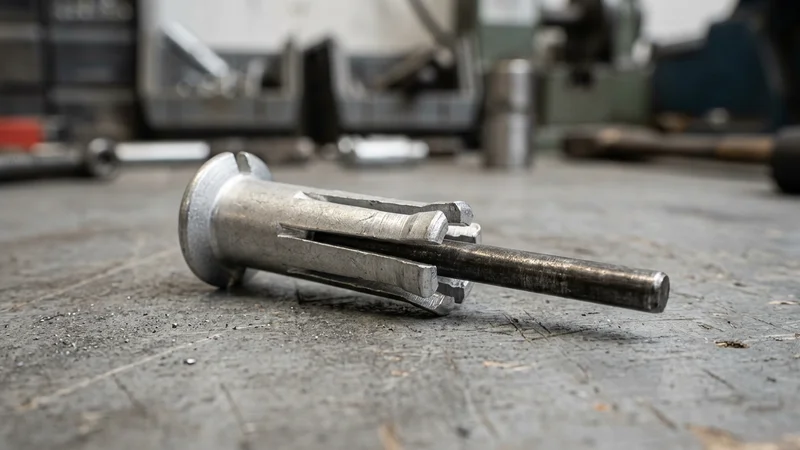
Structural Rivet
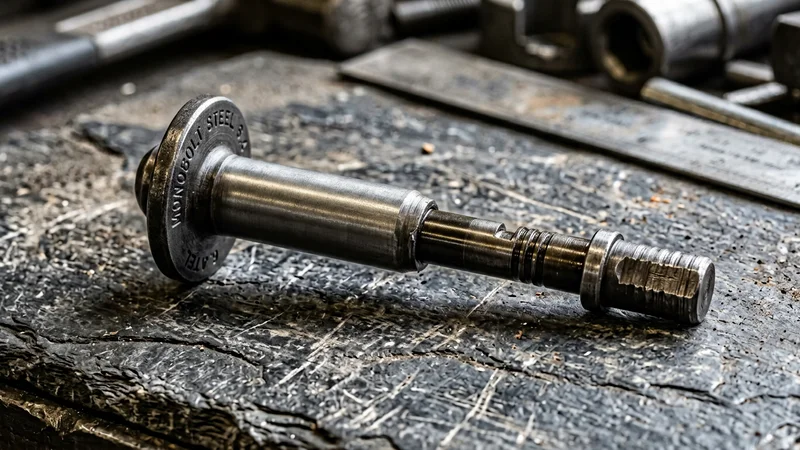
A high-shear blind rivet for load-bearing joints.
Best for: Truck bodies, solar frames, ladders
Semi-Tubular Rivet
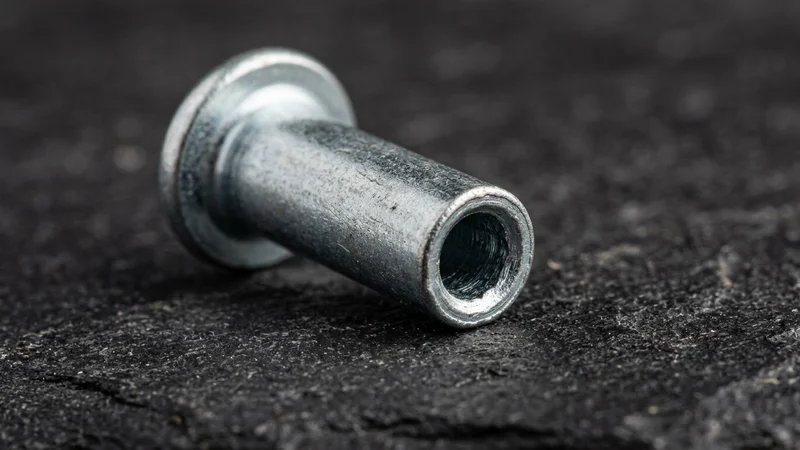
Partially hollow for fast clinch setting.
Best for: Brakes, handles, small assemblies
How to Choose
Also in the toolbox
- Heavy-duty rivet gun kit — sets every blind rivet above
- Cleco fastener kit — holds panels aligned while you rivet
FAQ
Pop rivet vs solid rivet — which is stronger?
Solid rivets, by a wide margin — they fill the hole completely and deform into a shop head. Pop (blind) rivets trade strength for one-side access and speed. Aircraft and bridges use solid; gutters and trailers use pop.
Can you remove a rivet?
Yes — center-punch the mandrel, drill through the head with a bit the size of the rivet shank, and punch the rest through. Blind rivets drill out in seconds; solid rivets take patience and sharp bits.