Types of Bolts and Their Uses (with Pictures)
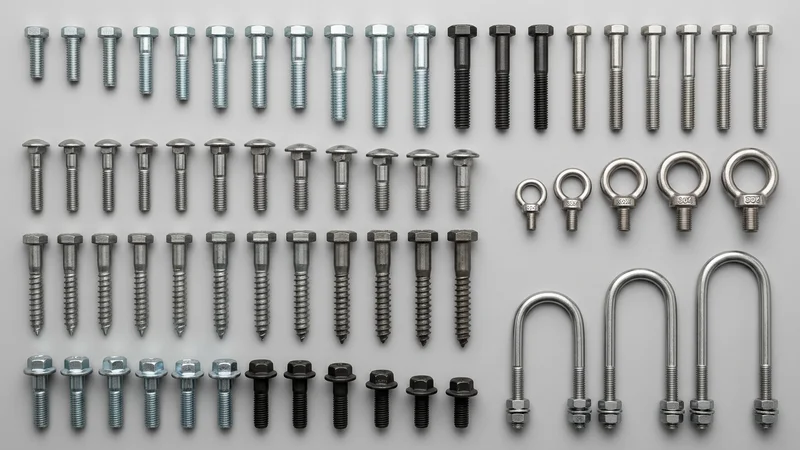
Every bolt family side by side with pictures — head styles, thread behavior, and what each one fastens, from carriage bolts to timber bolts.
Hex Bolt
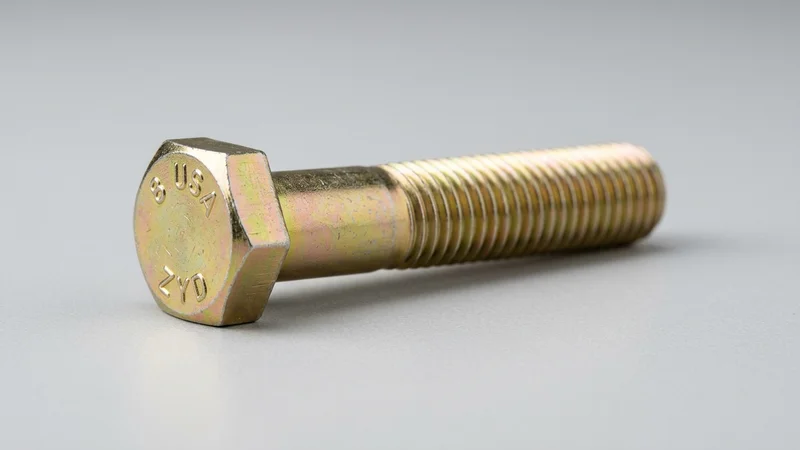
Six-sided head, wrench-driven — the universal bolt.
Best for: Machinery, construction, general assembly
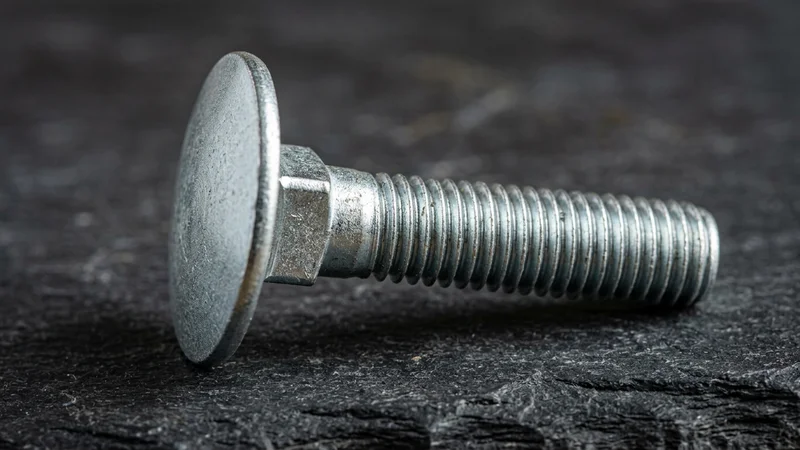
Carriage Bolt
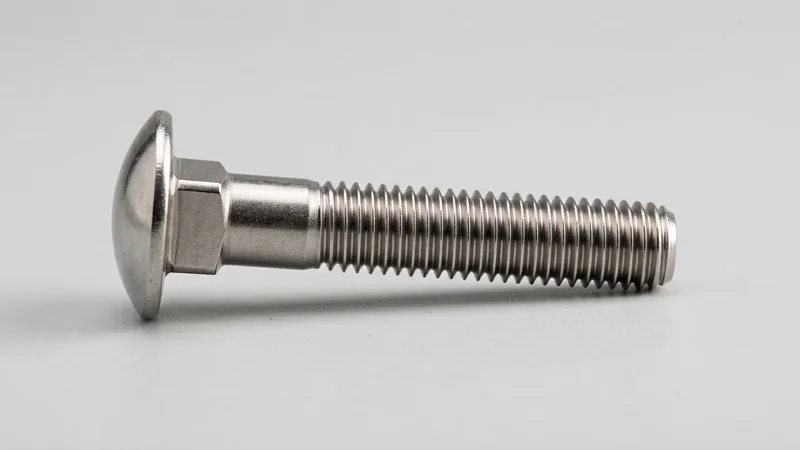
Smooth dome head with a square neck that locks in wood.
Best for: Decks, fences, furniture
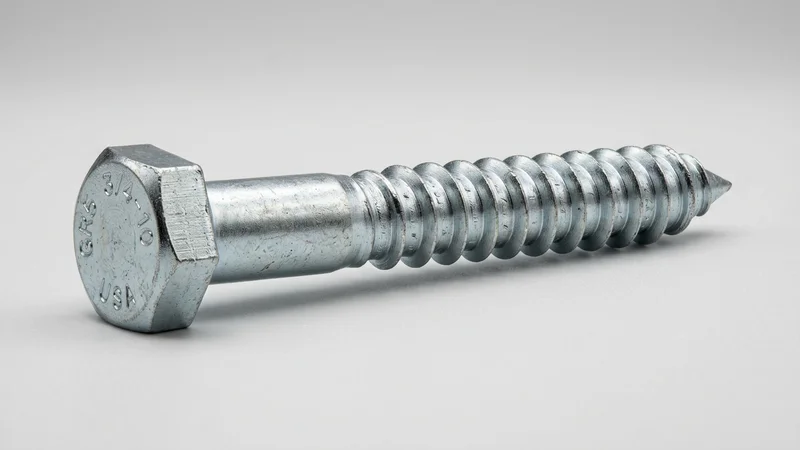
Socket Head Cap Screw
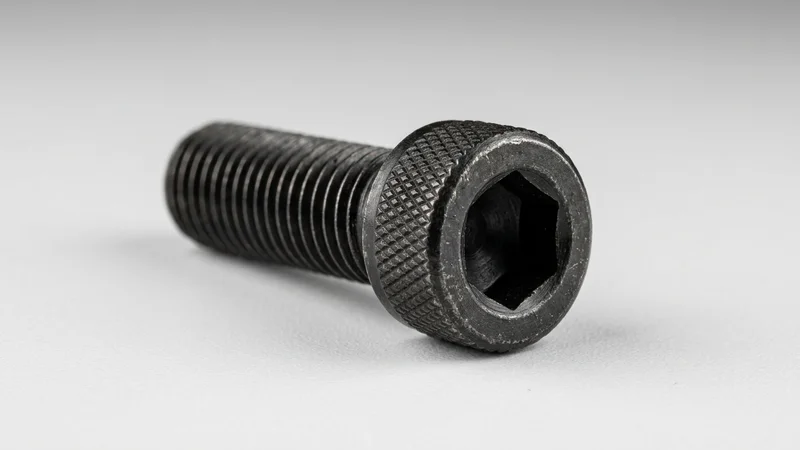
Allen-driven cylinder head for precision fits.
Best for: Machinery, engines, robotics
Shoulder Bolt
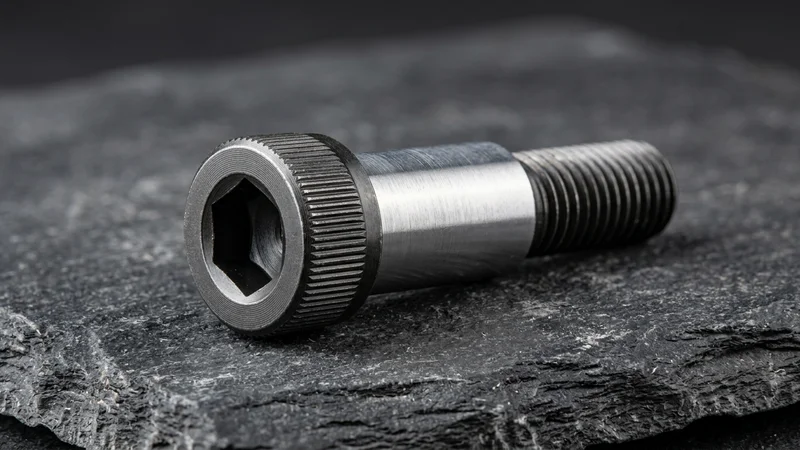
A precision unthreaded shoulder that doubles as a pivot shaft.
Best for: Pulleys, linkages, moving joints
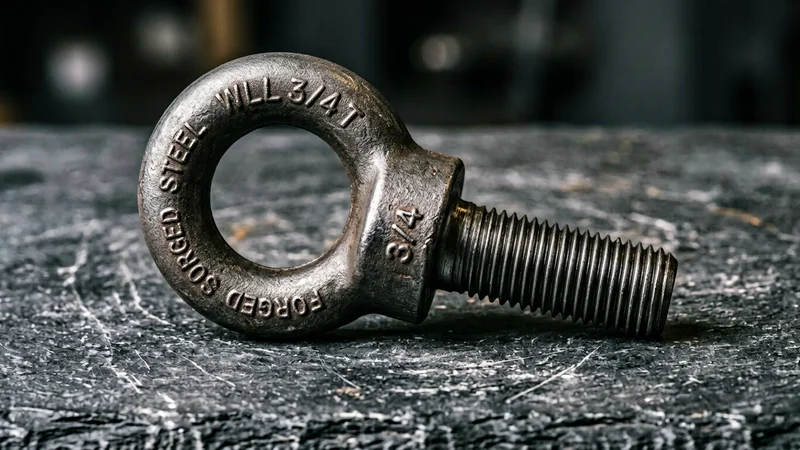
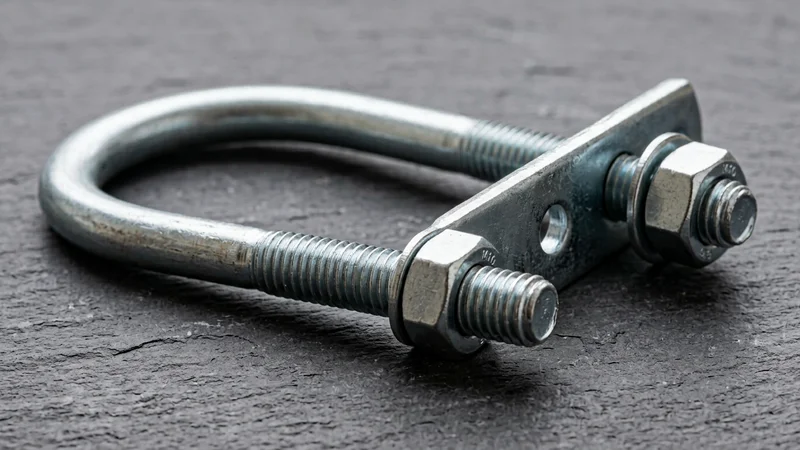
Flange Bolt
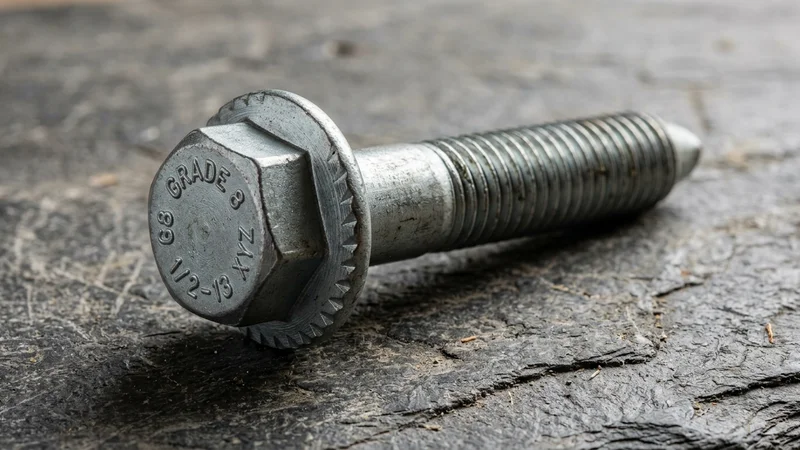
A built-in washer flange spreads load and skips the washer.
Best for: Automotive, machinery frames
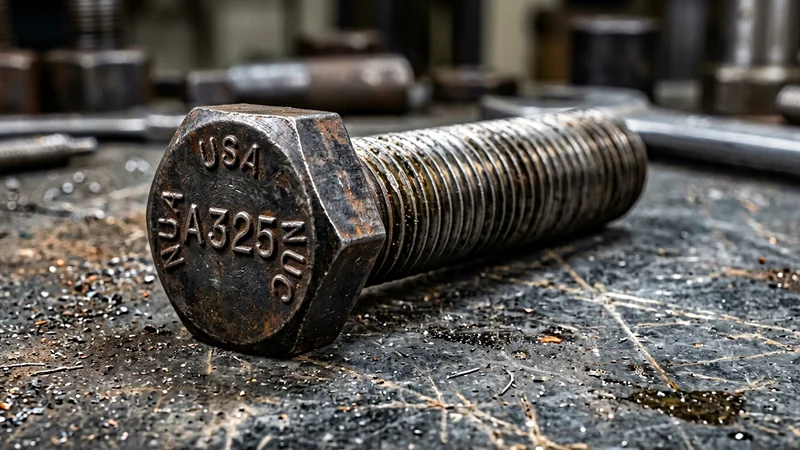
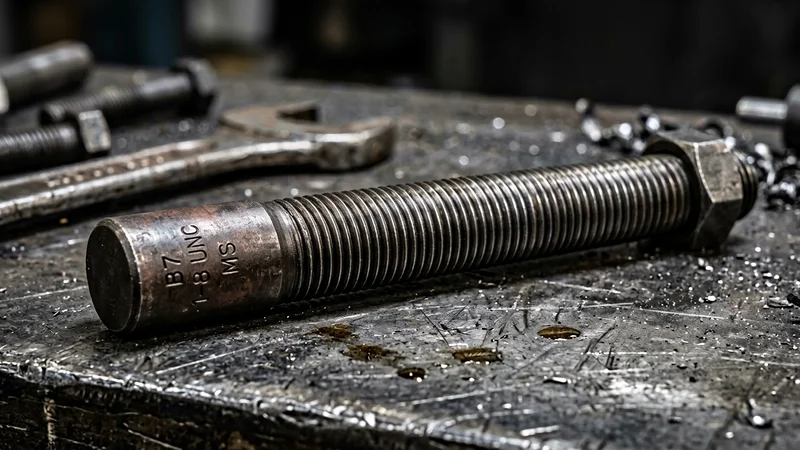
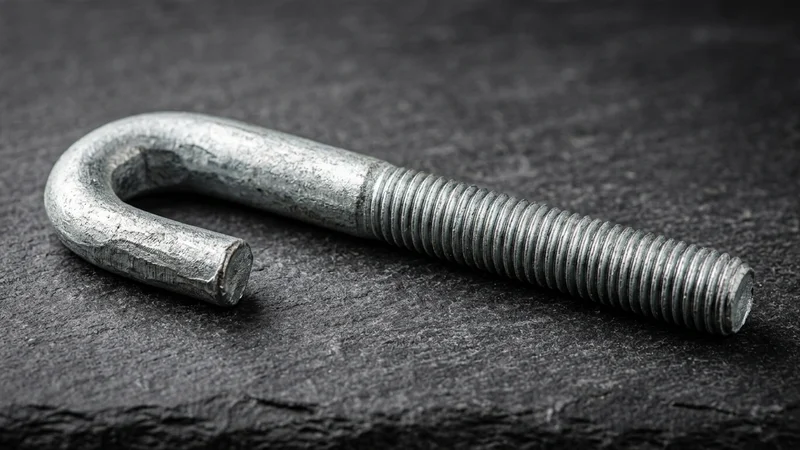
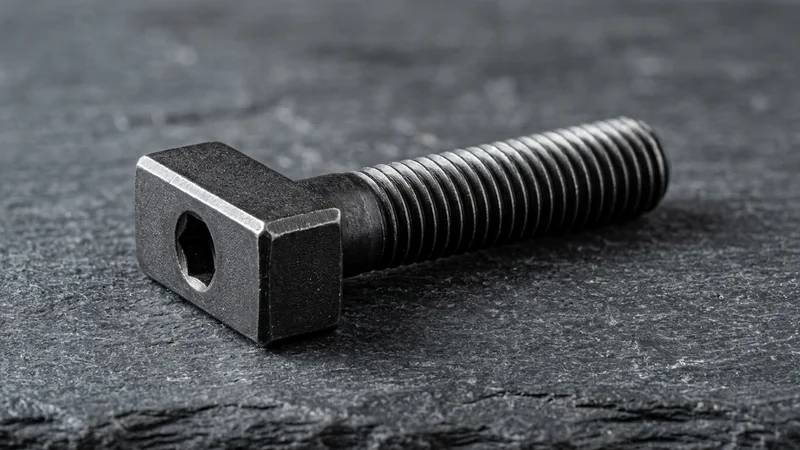
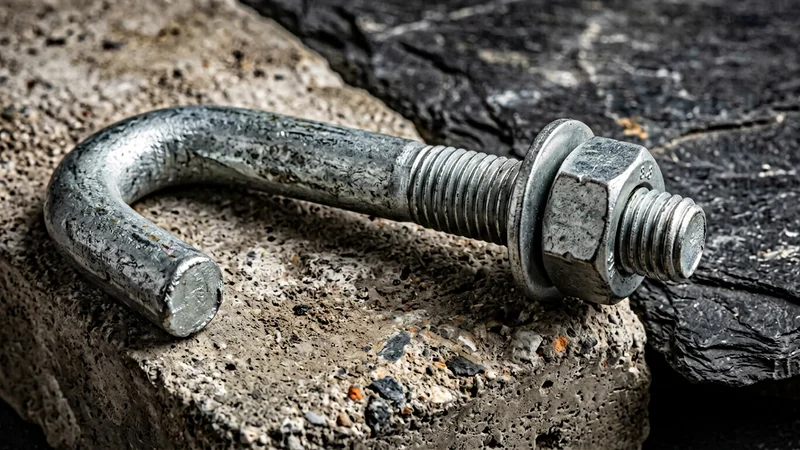
Stove Bolt
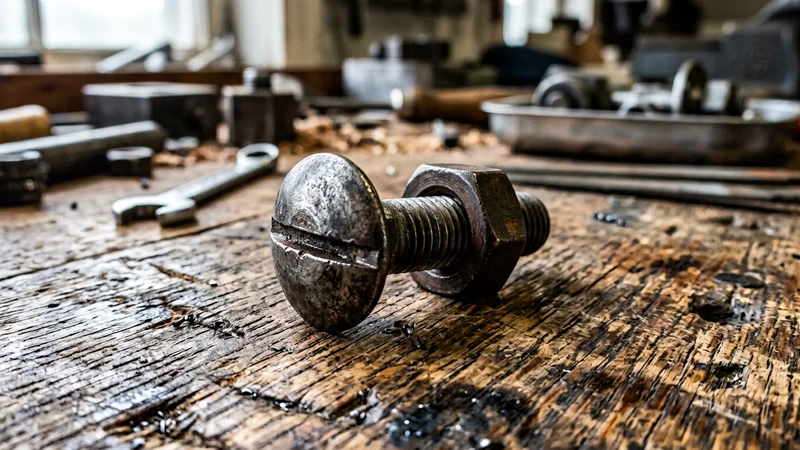
A small round-head machine bolt for sheet metal.
Best for: Appliances, electrical boxes, brackets
Plow Bolt
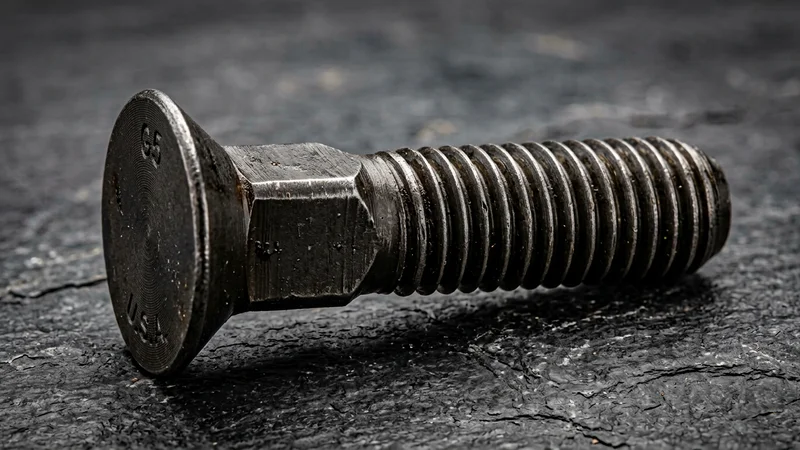
A flat countersunk head for soil-contact steel.
Best for: Plows, graders, earthmoving blades
Square Head Bolt
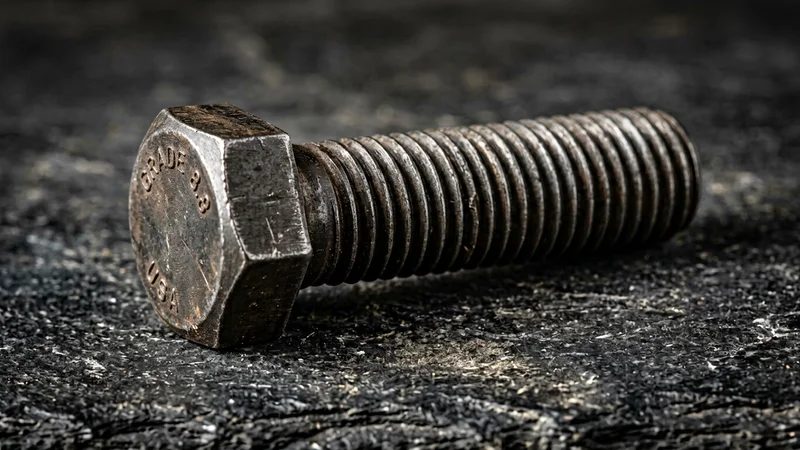
Old-school square head with maximum wrench grip.
Best for: Restoration, timber framing, railroads
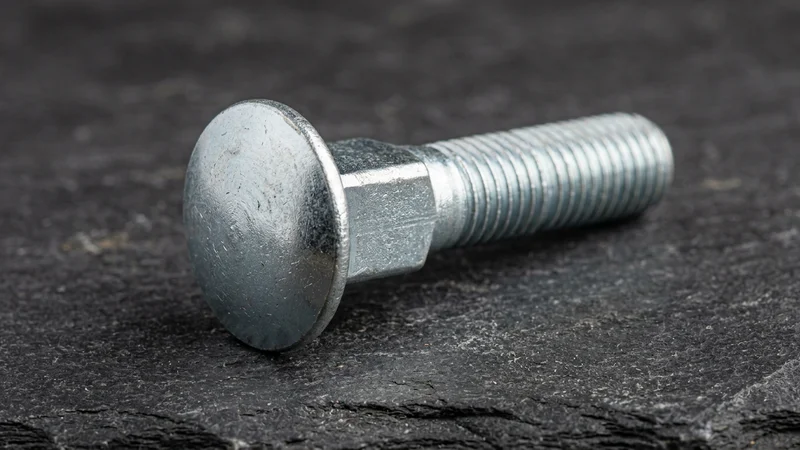
Timber Bolt
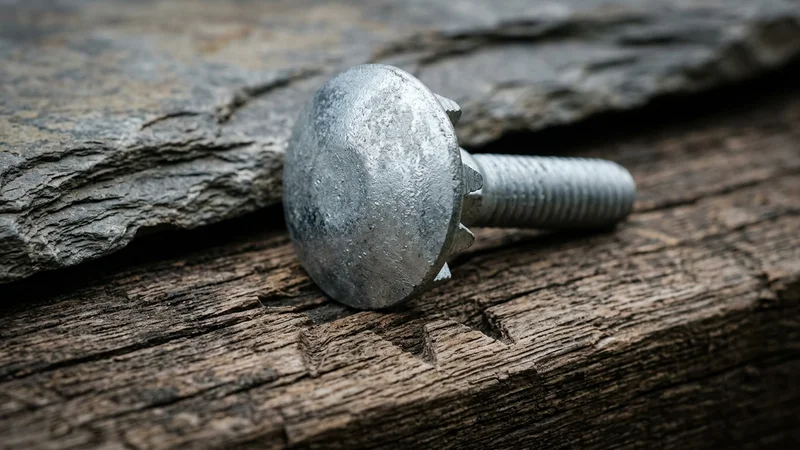
A long small-diameter bolt for landscape timbers.
Best for: Retaining walls, timber stairs
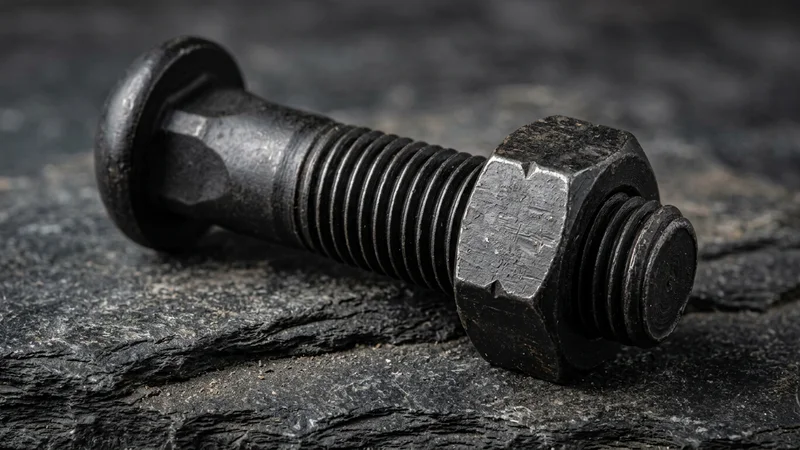
Through Bolt
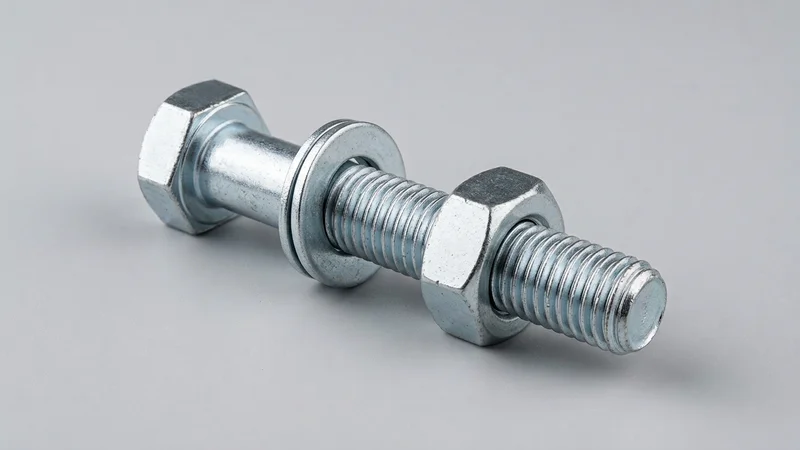
Passes fully through and clamps with a nut — the strongest wood joint.
Best for: Beams, ledgers, post bases
How to Choose
Also in the toolbox
- Deep socket set (SAE and metric) — seats every hex head above
- 1/2-in drive torque wrench — structural bolts want real torque values
FAQ
What is the difference between a bolt and a screw?
A bolt passes through unthreaded holes and clamps with a nut; a screw cuts or follows threads in the material itself. If it needs a nut on the far side, it is a bolt — with the confusing exception of lag bolts, which are really giant screws.
What do the markings on a bolt head mean?
Radial lines mark SAE grade: no lines is Grade 2, three lines is Grade 5, six lines is Grade 8. Metric bolts stamp numbers instead — 8.8 and 10.9 are the common structural grades. More marks, more strength.
Why do bolts need washers?
Washers spread the clamp load so the head and nut do not crush into the material — critical in wood — and protect finishes. Always use them in wood; in steel they are good practice that also evens out the joint.