Types of Nuts and Their Uses (with Pictures)

Every nut family with pictures — hex to wing to lock — and which bolt each one belongs on.
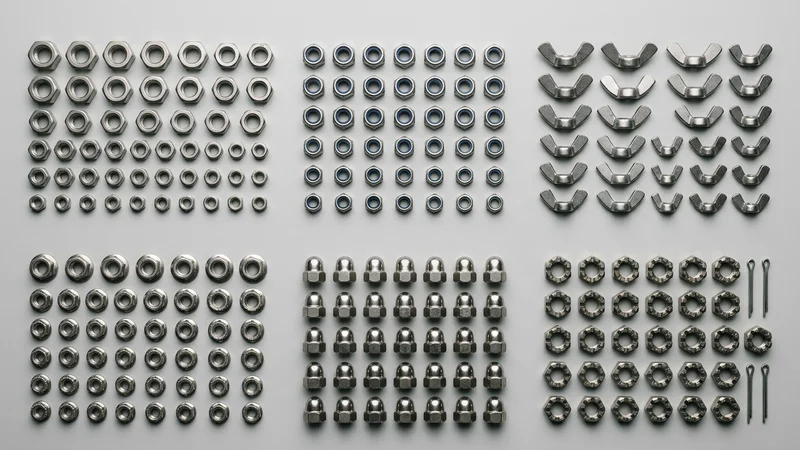
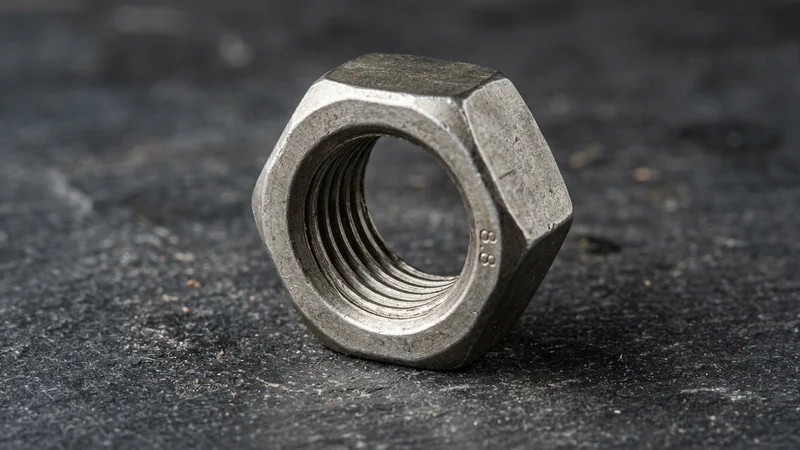
Hex Nut

Hex Nut

The standard six-sided nut for every bolt.

Best for: General assembly everywhere

Sizes, grades and uses →

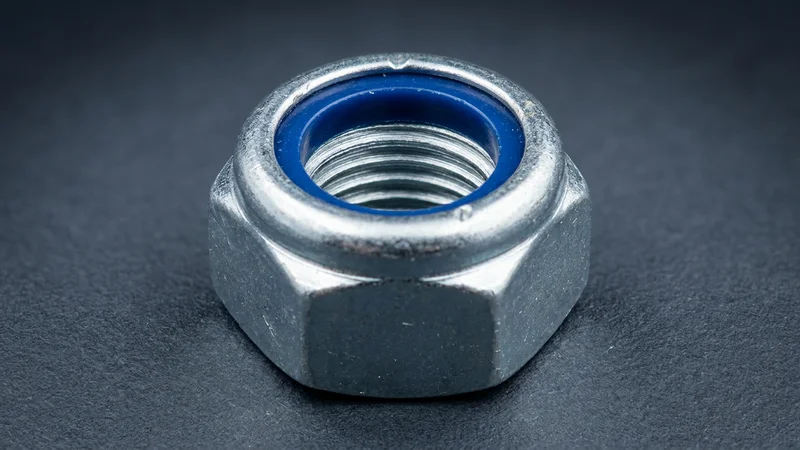
Lock Nut

Lock Nut

A nylon insert grips threads against vibration.

Best for: Engines, trailers, anything that shakes
Sizes, grades and uses →

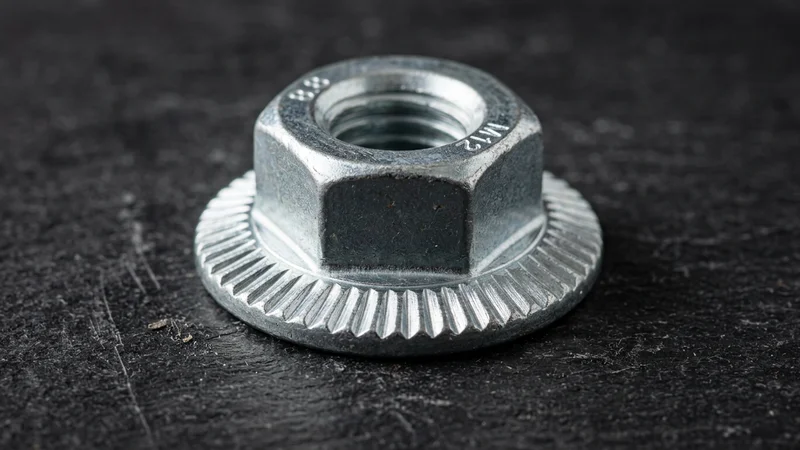
Flange Nut

Flange Nut

A built-in flange skips the washer.

Best for: Automotive, machinery, furniture

Sizes, grades and uses →

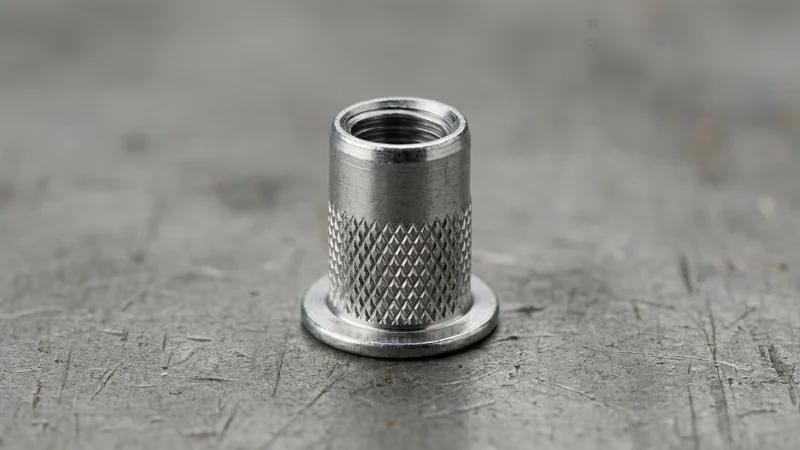
Rivet Nut

Rivet Nut

Threads installed blind from one side.

Best for: Sheet metal, enclosures, auto panels

Sizes, grades and uses →

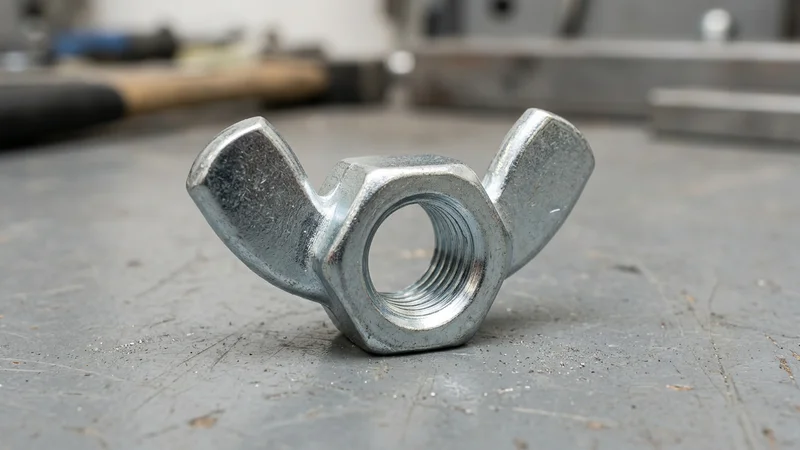
Wing Nut

Wing Nut

Hand-tightened wings for tool-free fastening.

Best for: Jigs, fixtures, frequent adjustment

Sizes, grades and uses →

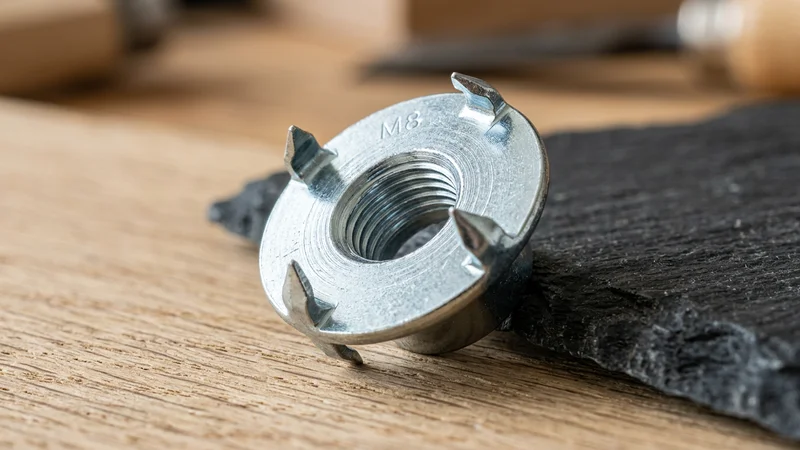
T-Nut

T-Nut

A pronged tee that embeds in wood for machine threads.

Best for: Furniture, jigs, climbing walls
Sizes, grades and uses →

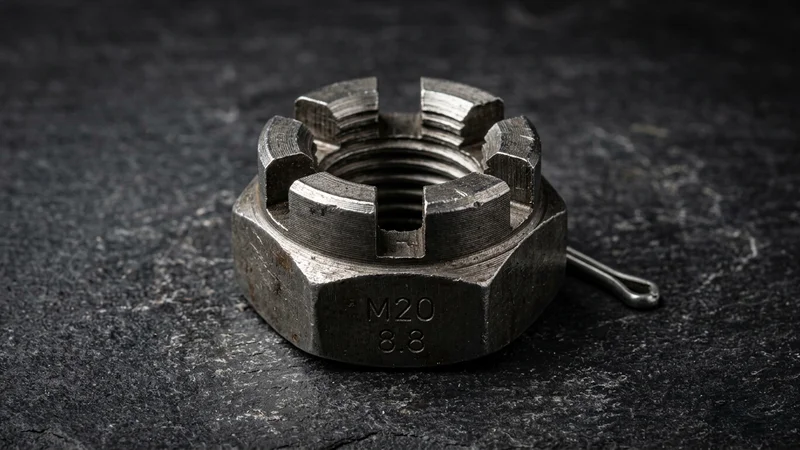
Castle Nut

Castle Nut

A slotted crown that locks with a cotter pin.

Best for: Axles, steering, critical spindles

Sizes, grades and uses →

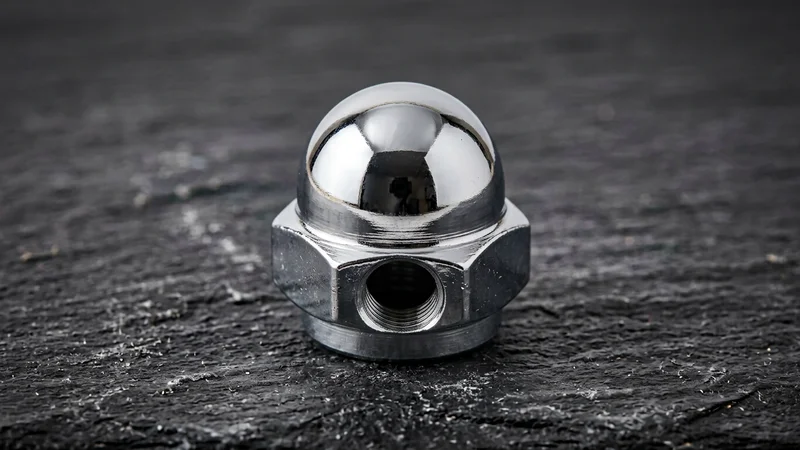
Acorn Nut

Acorn Nut

A domed cap that finishes and protects threads.

Best for: Railings, playgrounds, visible ends
Sizes, grades and uses →

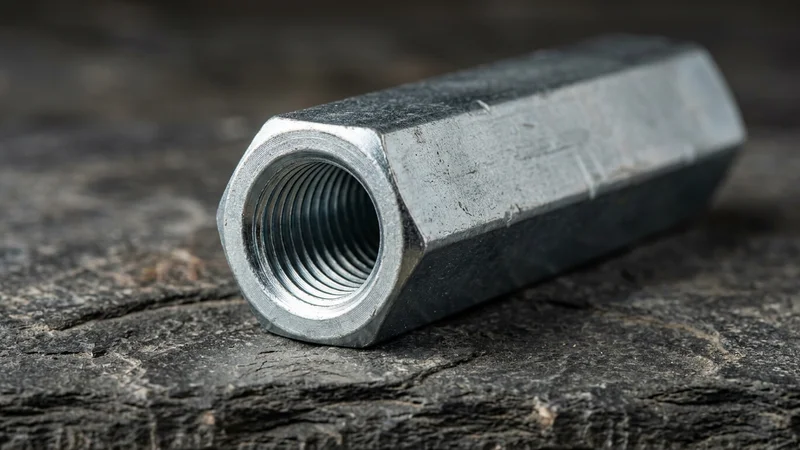
Coupling Nut

Coupling Nut

An extra-long nut that joins two threaded rods.

Best for: Hangers, tie rods, extensions

Sizes, grades and uses →

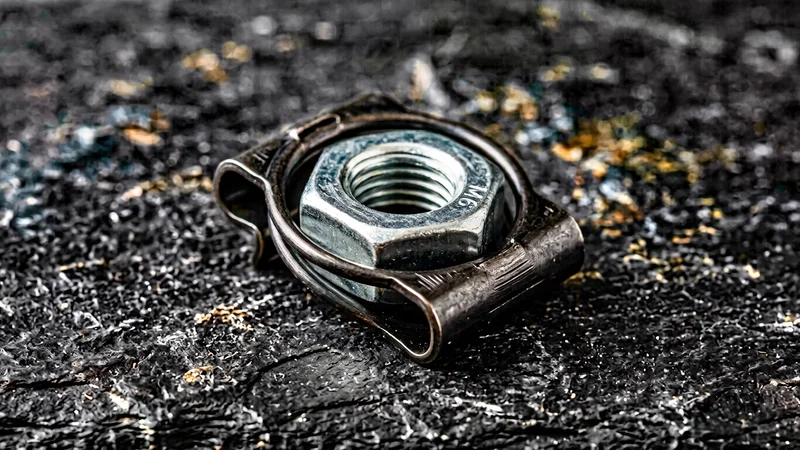
Cage Nut

Cage Nut

A spring cage that clips into square holes.

Best for: Server racks, enclosures, panels

Sizes, grades and uses →

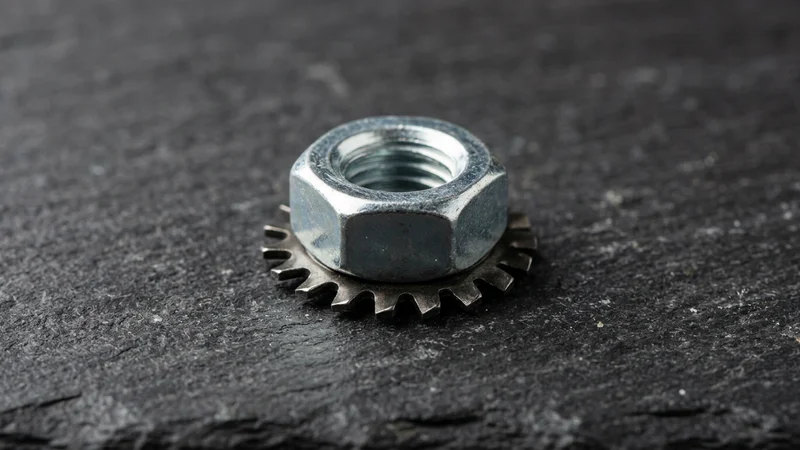
Keps Nut

Keps Nut

A free-spinning washer attached for speed.

Best for: Electronics, appliances, assembly lines

Sizes, grades and uses →

Weld Nut

Weld Nut

Welds to sheet for permanent threads.

Best for: Auto bodies, enclosures, frames

Sizes, grades and uses →

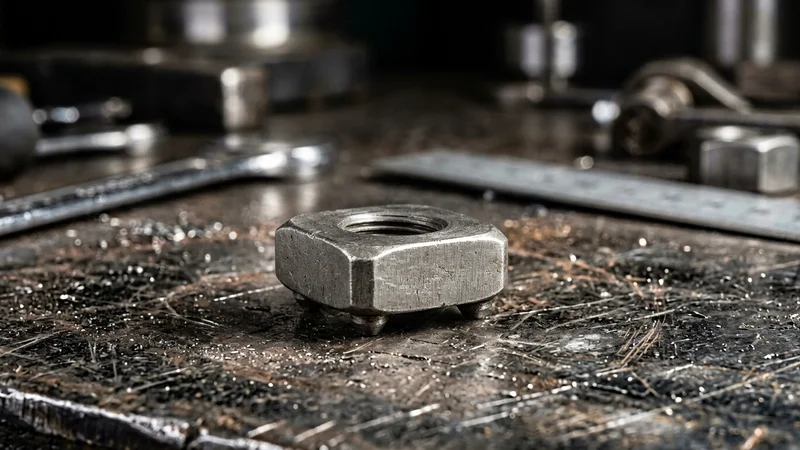
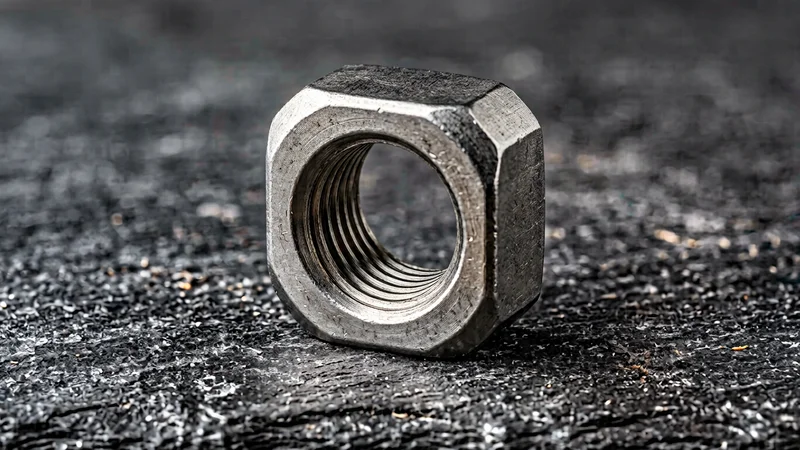
Square Nut

Square Nut

A square body with more bearing surface.

Best for: Restoration, timber, channel framing

Sizes, grades and uses →

Speed Nut

Speed Nut

A push-on clip for sheet-metal screws.

Best for: Auto trim, appliances, panels

Sizes, grades and uses →

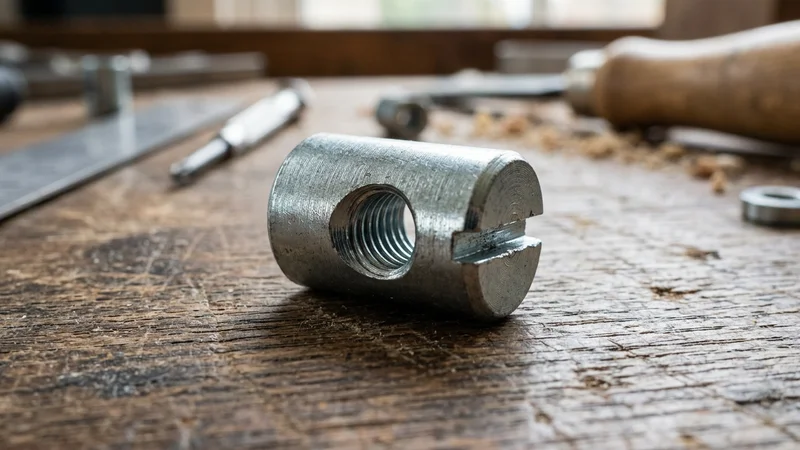
Barrel Nut

Barrel Nut

A cross-dowel for knock-down furniture.

Best for: Flat-pack joints, bed frames

Sizes, grades and uses →

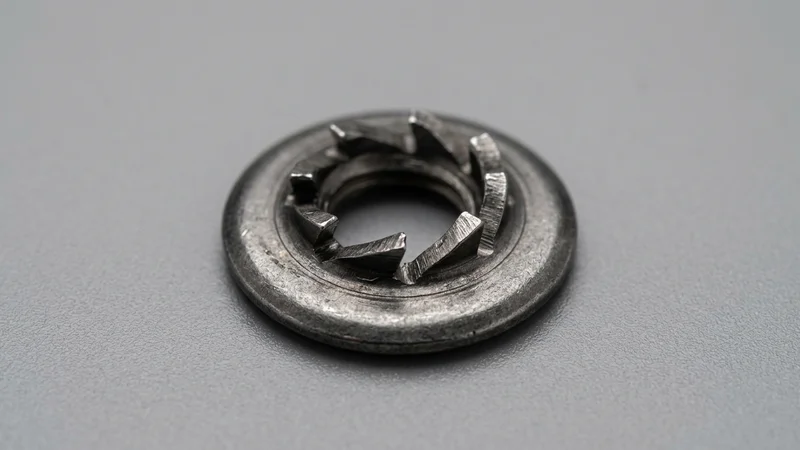
Push Nut

Push Nut

Pushes onto unthreaded studs and stays.

Best for: Wheels, casters, retaining jobs

Sizes, grades and uses →

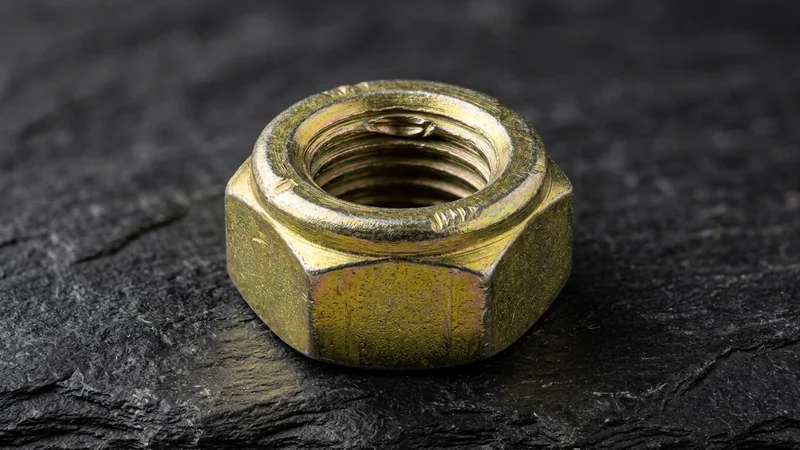
Prevailing Torque Lock Nut

Prevailing Torque Lock Nut

Distorted threads lock without nylon.

Best for: High-heat vibration joints

Sizes, grades and uses →

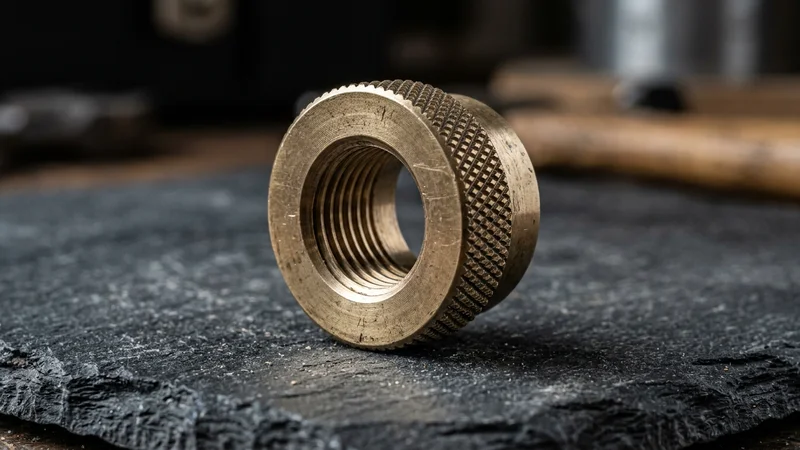
Knurled Thumb Nut

Knurled Thumb Nut

A knurled knob for finger tightening.

Best for: Covers, guards, adjustments

Sizes, grades and uses →

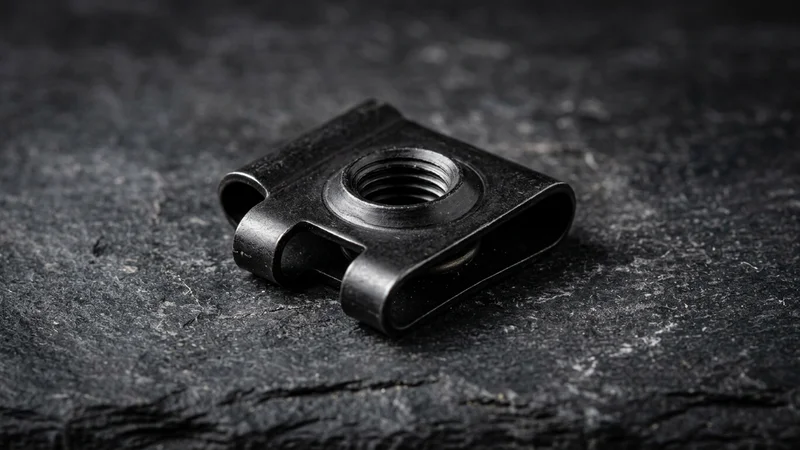
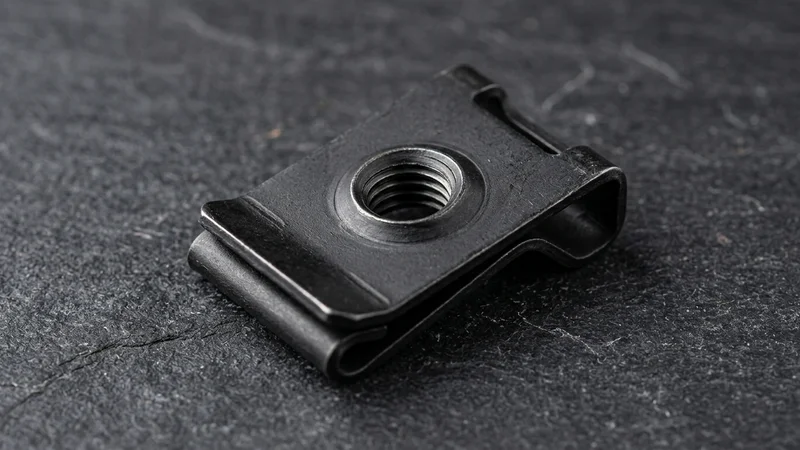
Spring Steel Nut

Spring Steel Nut

A spring clip that threads onto thin panels.

Best for: License plates, trim, thin-sheet fastening

Sizes, grades and uses →

How to Choose

Default to a hex nut with a flat washer; add locking (nylon-insert, prevailing-torque, or keps) wherever vibration lives; and match nut grade to bolt grade — a Grade 8 bolt with a Grade 2 nut is a Grade 2 joint.

Also in the toolbox

FAQ

What is a lock nut and how does it work?

The common nyloc has a nylon ring that squeezes the bolt threads, adding friction that resists vibration loosening. Prevailing-torque (all-metal) nuts do the same with distorted threads for high heat where nylon would melt.

Can you reuse a nyloc nut?

Once or twice in non-critical joints — the nylon deforms a little every time. For wheels, suspension, engines, and anything whose failure hurts, always use a fresh lock nut.

Keep Reading