Lag Bolt vs. Structural Screw
Structural screws were engineered to eat the lag bolt’s lunch: heat-treated steel, self-drilling tips, and code reports that let one slim screw replace a fat lag in many connections. Lags still win on price per piece and universal inspector familiarity — but on speed and strength per diameter, the screw generation has taken over.
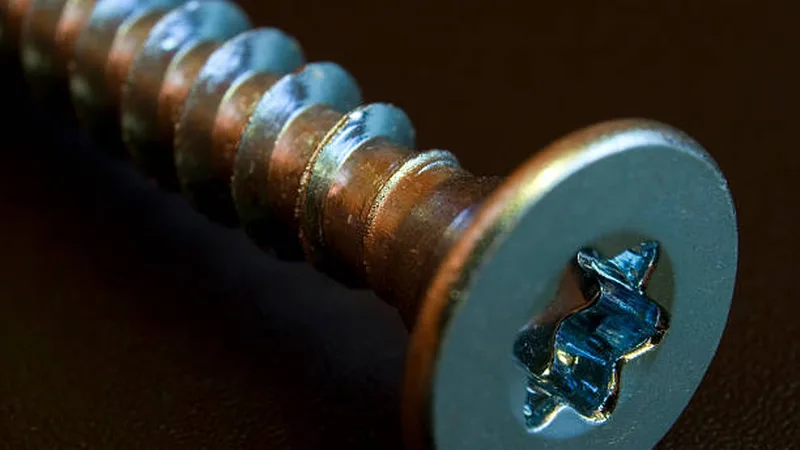
| Feature | Lag Bolt | Structural Screw |
|---|---|---|
| Pilot hole | Required — clearance plus 65–75% pilot | Usually none — self-drilling tip |
| Drive tool | Ratchet or impact wrench on a hex head | Impact driver on a Torx or star bit |
| Strength per diameter | Good — but mild steel, fat shank | Higher — heat-treated, code-rated loads |
| Splitting risk | High without a proper pilot | Low — slim shank displaces less wood |
| Code acceptance | Universal — a century of tables | Via ICC-ES reports (check the number) |
| Install speed | Slow — drill, swap bits, drive | Fast — one bit, one pass, done |
| Cost per piece | Cheaper — pennies of mild steel | Pricier — dollars per screw |
| Best for | Budget jobs, matching existing lag work | Ledgers, posts, beams — and production speed |
Verdict
Shop This Comparison
- Lag bolt assortment (HDG) — the classic side
- Structural screw assortment (Torx) — the modern side
Affiliate links — we may earn a commission at no cost to you.
Also in the toolbox
- Impact driver kit — drives structural screws all day
- Torx bit set (T25–T30) — the bits structural screws want
FAQ
Are structural screws stronger than lag bolts?
Per diameter, yes — heat-treated structural screws carry higher code-rated shear and withdrawal loads than a mild-steel lag of the same size. That is why one 5/16 in structural screw can often substitute for a 3/8 in lag; always verify against the screw’s ICC-ES report for the exact connection.
Do structural screws need pilot holes?
Usually not — the self-drilling tip and slim shank are designed to drive straight into framing lumber without splitting. The exceptions are dense hardwoods, end-grain driving, and screws near board ends, where a small pilot still pays for itself.
What size structural screws for a ledger board?
Manufacturers publish ledger tables by joist span — typically 5/16 in or 3/8 in structural screws at 16 in on-center in a staggered pattern for common residential spans, with lengths that penetrate the rim joist fully. Pull the table for your specific screw brand and span; ledger connections are the most inspected fastening on a deck.
Are structural screws code-approved?
Yes, when they carry an ICC-ES evaluation report number and you install them per that report — diameter, length, spacing, and edge distances all matter. An inspector can approve a listed screw on sight; an unlisted bargain screw gets the same reception as a nail where a bolt belongs.