Plow Bolt vs. Carriage Bolt
Both use a square neck that locks into the hole so one wrench does the job — but a plow bolt head sits dead flush for sliding soil and wear plates, while a carriage bolt leaves a smooth dome on wood.
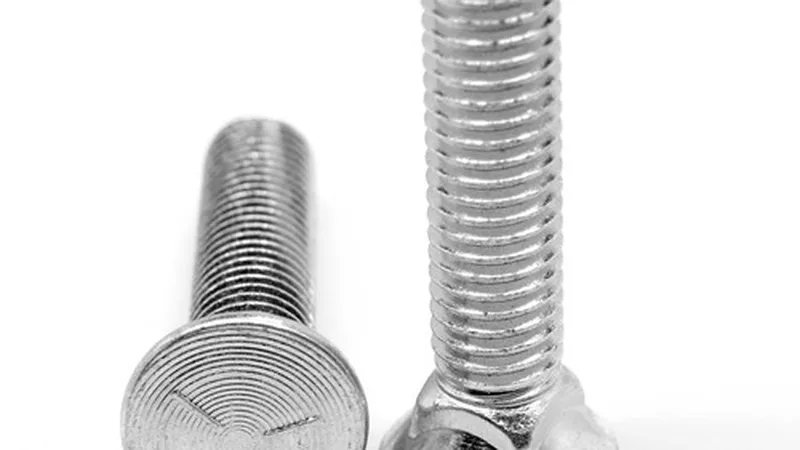
| Feature | Plow Bolt | Carriage Bolt |
|---|---|---|
| Head | Flat, countersunk — flush with the surface | Round dome — stands proud |
| Neck | Square, seats in a square hole | Square (some have ribs or fins for round holes) |
| Why the square neck | Stops rotation, so you tighten the nut with one wrench | Same — bites into wood or a square hole |
| Standard | ASME B18.9 (plow bolts) | ASME B18.5 (round head bolts) |
| Grades | Usually Grade 5 or 8 for hard wear service | Commonly Grade 2 or 5, plus stainless |
| Position | Sits flush — material slides over it | Stands proud — smooth, snag-free dome |
| Best material | Steel wear edges: shares, blades, buckets | Wood: timber, fences, decks, furniture |
| Best for | Anything soil or gravel slides across | Wood joints with a finished face |
Verdict
Shop This Comparison
- Plow bolt assortment — the implement side
- Carriage bolt, nut and washer kit — the woodwork side
Affiliate links — we may earn a commission at no cost to you.
FAQ
What is a plow bolt?
A flat, countersunk-head bolt with a square neck, named for the plowshares it was made to fasten. The head sits flush so soil slides over the joint instead of catching — the same reason it is used on grader blades, buckets, and snowplows.
Can I use a carriage bolt instead of a plow bolt?
Only where flush does not matter. A carriage bolt dome protruding into soil, gravel, or sliding material catches and wears fast — on a blade or share, that is a hard no.
Why do plow bolts and carriage bolts have square necks?
Anti-rotation. The square neck seats into a square hole (or bites into wood) and holds the bolt still, so a single wrench on the nut completes the job — no backup wrench needed.
What grades do plow bolts come in?
Typically Grade 5 or Grade 8 property classes, because wear parts live under impact and abrasion. Match or exceed the hardness of the blade hardware you are replacing.