Types of Wall Anchors and Their Uses (with Pictures)
Every hollow-wall anchor with pictures — plastic plugs to steel toggles — matched to the loads they hold in drywall, plaster, and block.
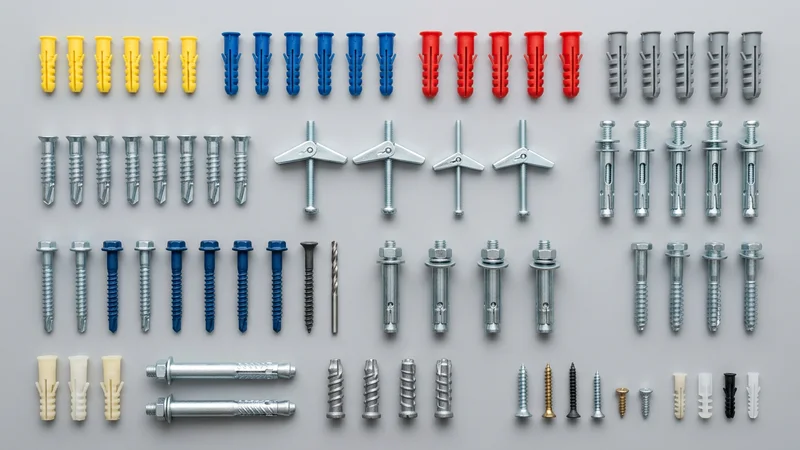
Drywall Anchor
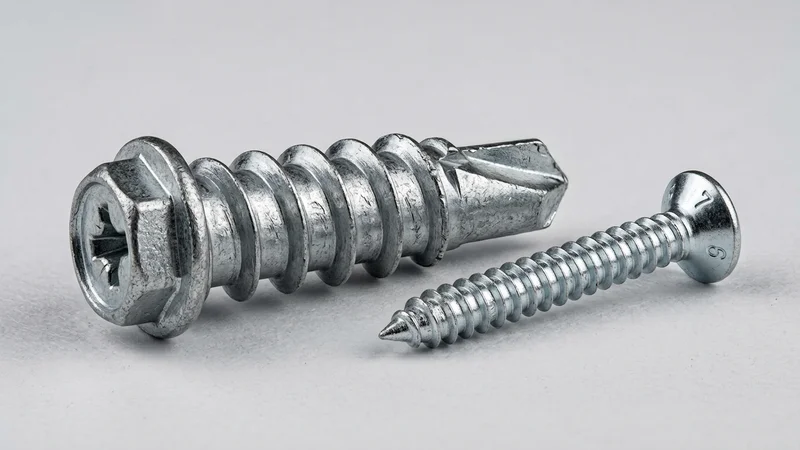
A plastic expansion plug for light loads in gypsum.
Best for: Pictures, thermostats, small fixtures
Self-Drilling Drywall Anchor
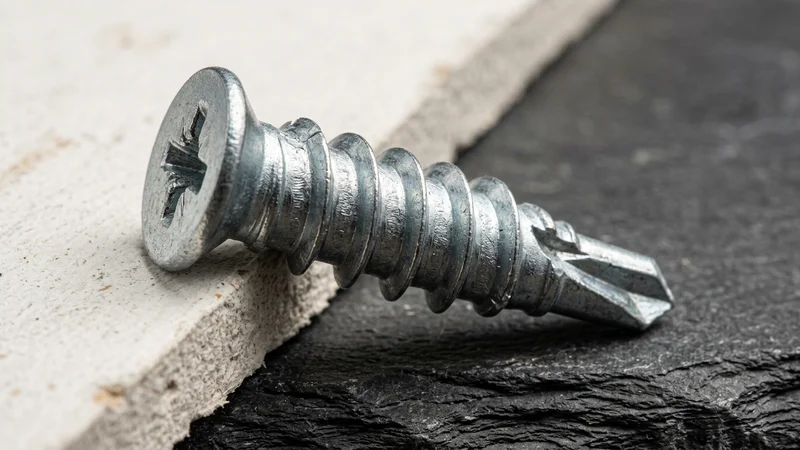
Threads straight in with a driver — no pre-drill.
Best for: Shelves, mirrors, curtain rods
Molly Bolt
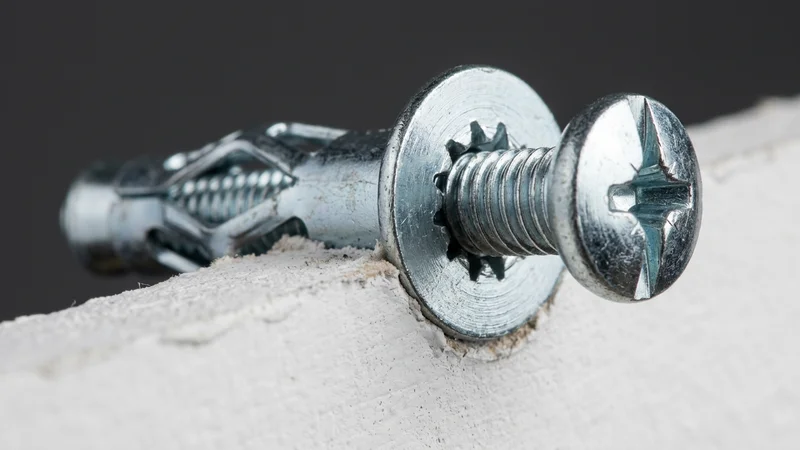
A sleeve that mushrooms behind the wall as you tighten.
Best for: Medium loads in drywall and plaster
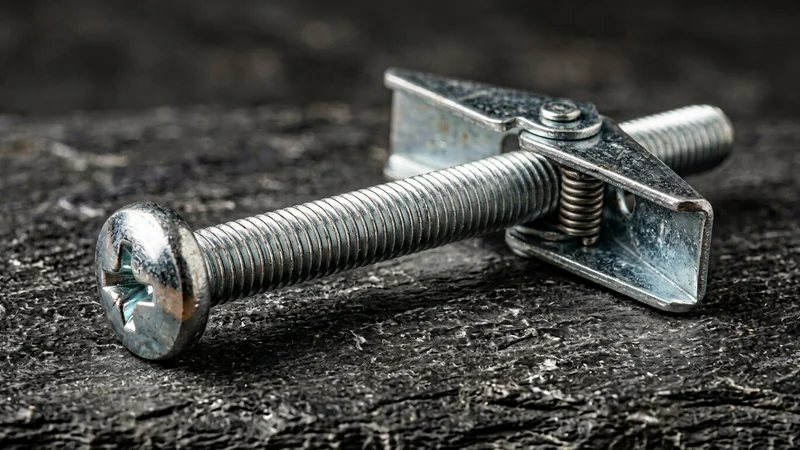
Zip Toggle Anchor
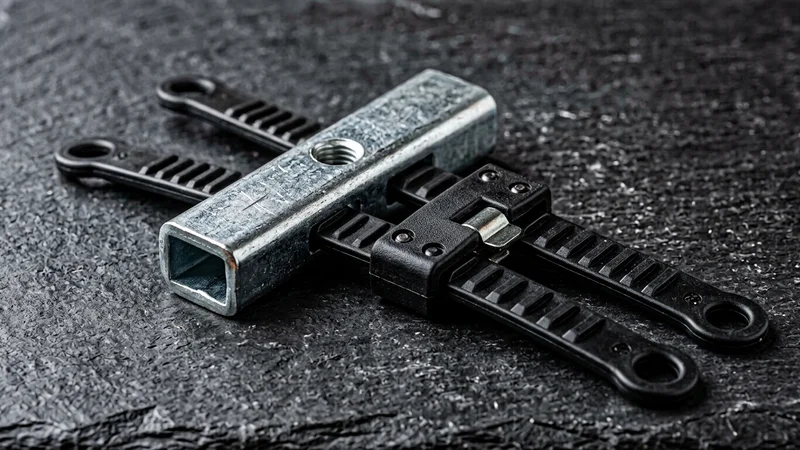
A strap-fed steel channel for the heaviest hollow-wall loads.
Best for: TVs, radiators, commercial fixtures
Wall Plug
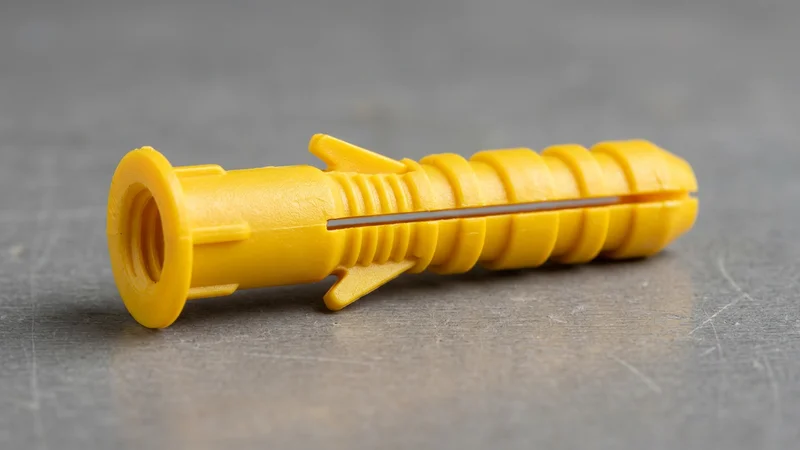
The original expansion plug for masonry and plaster.
Best for: General light fixing in solid walls
Lag Shield
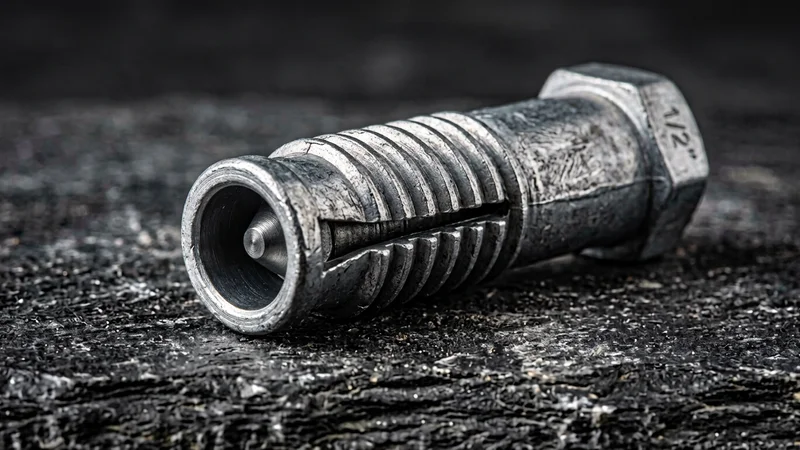
A split shield that grips as a lag bolt expands it.
Best for: Heavy timber-to-masonry connections
How to Choose
Also in the toolbox
- Deep-scan stud finder — studs beat every anchor on this page
- Masonry drill bit set — for the masonry half of the gallery
FAQ
How much weight can a drywall anchor hold?
Plastic plugs hold 10–25 lb; self-drilling anchors 25–75 lb; molly bolts up to 75 lb per pair; toggles 50–100 lb each in 1/2-in drywall. Above that, hit a stud or span two — no hollow-wall anchor beats framing.
Toggle bolt or molly bolt — which is stronger?
Toggles, generally — the steel wings spread load across a wide area behind the wall. Mollys are easier to install in tight spots and hold well for medium loads. For TVs and heavy shelves, toggles win.
Can you reuse a wall anchor hole?
Sometimes once: a toggle hole accepts another toggle, and a stripped plug hole can step up one anchor size. But enlarged or crumbled holes need patching first — an anchor in a ruined hole holds nothing.