Types of Screws and Their Uses (with Pictures)
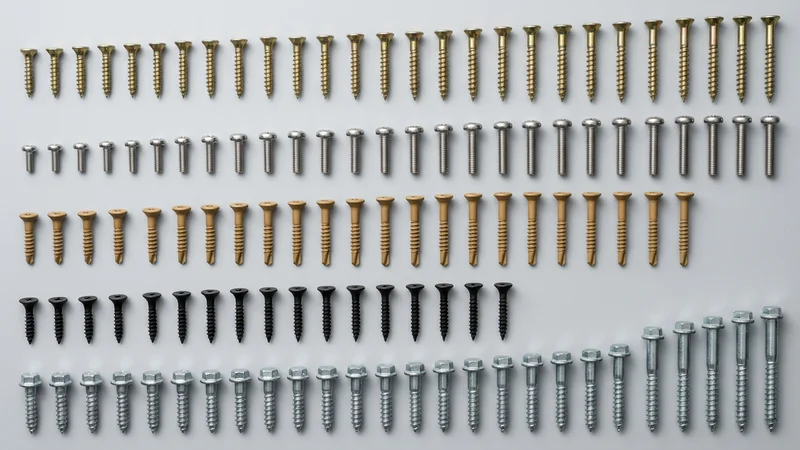
Fifteen screw types cover nearly every job: wood screws for lumber, machine screws for tapped holes, self-drillers for steel, and a handful of specialists. Identify yours by photo, then jump to the full guide for sizes and picks.
Wood Screw
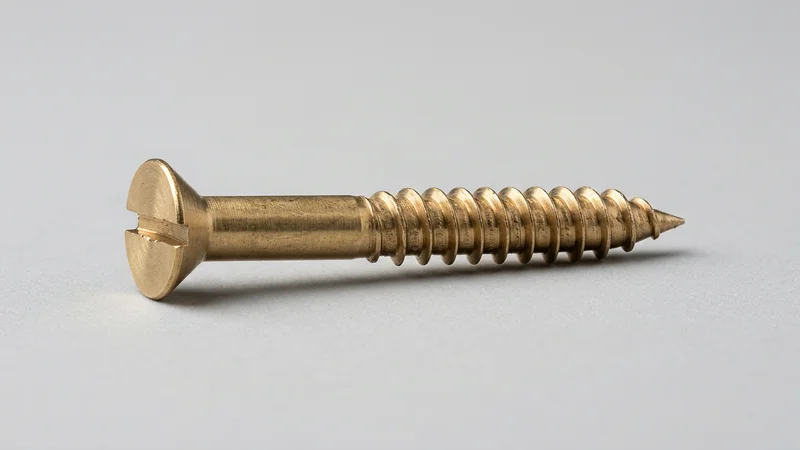
Coarse threads and a sharp point that bite lumber fast.
Best for: Framing joinery, furniture, general woodwork
Deck Screw
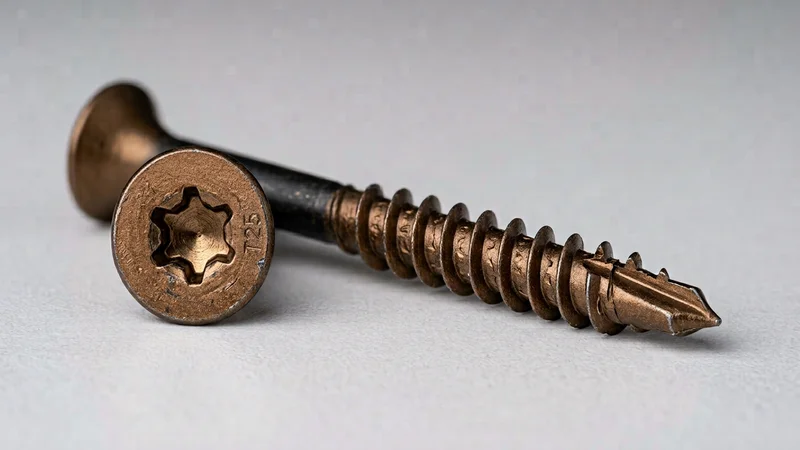
Corrosion-coated with a no-split point for outdoor boards.
Best for: Decks, fences, exterior wood
Pocket-Hole Screw
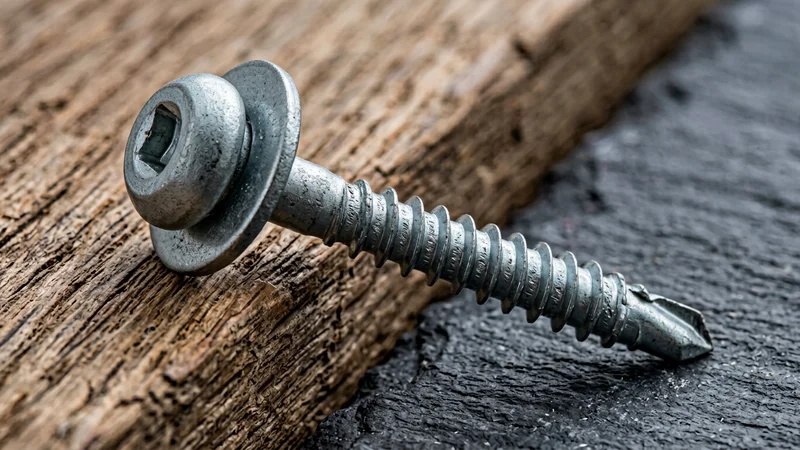
Washer head that pulls pocket joints tight without splitting.
Best for: Cabinets, face frames, plywood furniture
Particleboard Screw
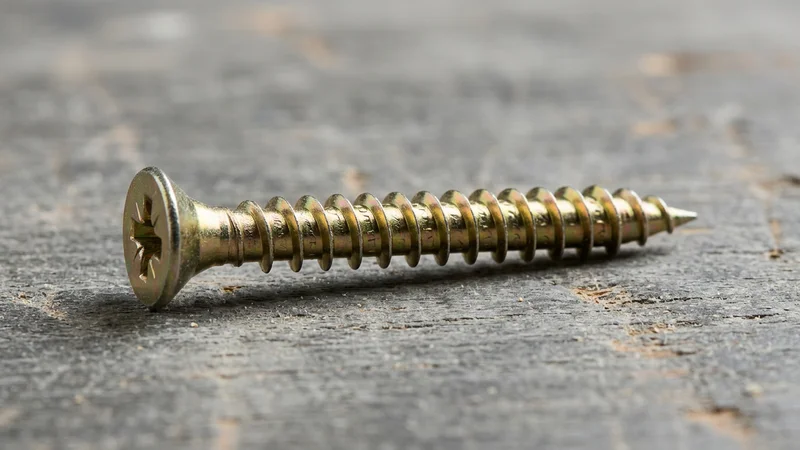
Thin shank and full-length coarse thread for crumbly board.
Best for: Flat-pack, particleboard, MDF
Structural Screw
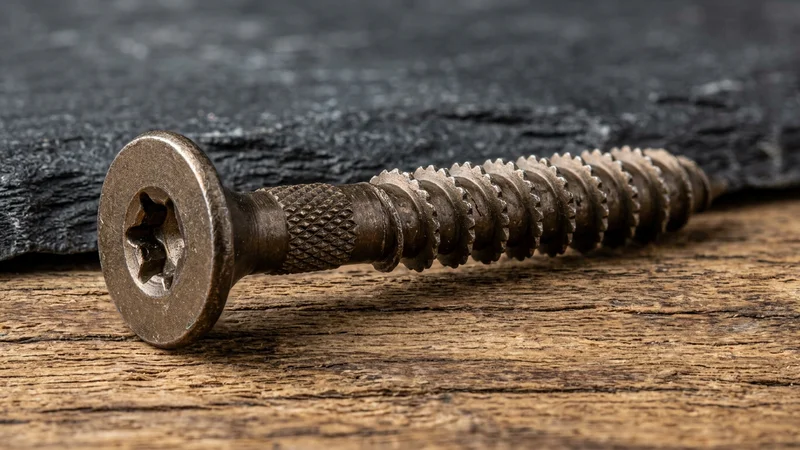
Code-listed strength that replaces lags with no pilot.
Best for: Ledgers, posts, beams
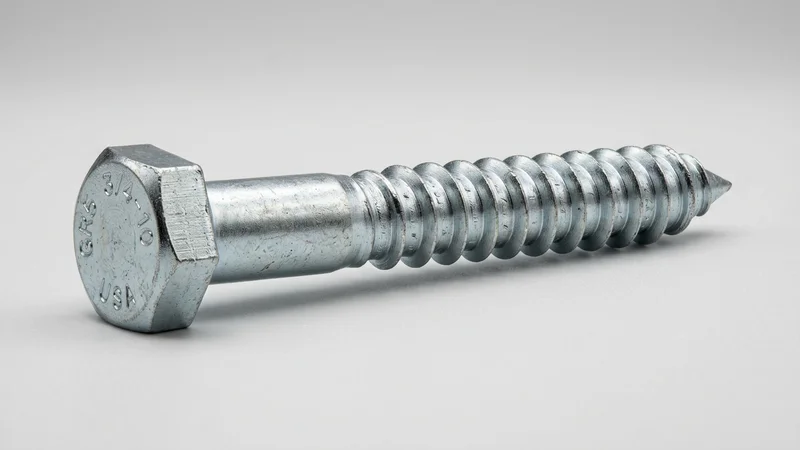
Machine Screw
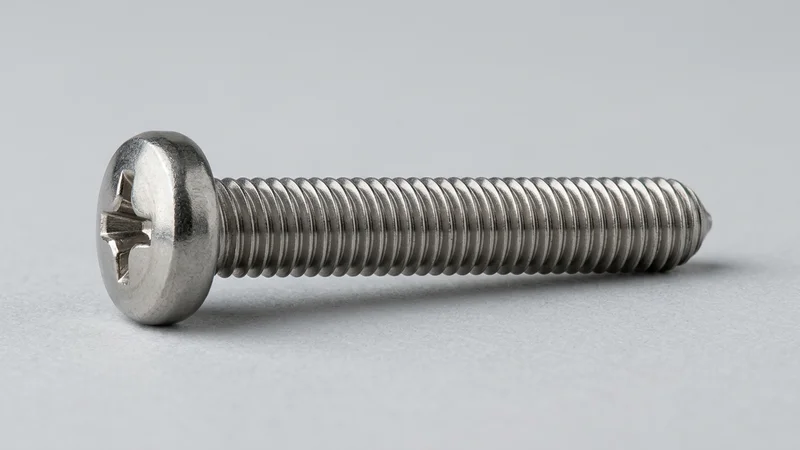
Uniform diameter for tapped holes and nuts.
Best for: Machinery, electronics, metal assembly
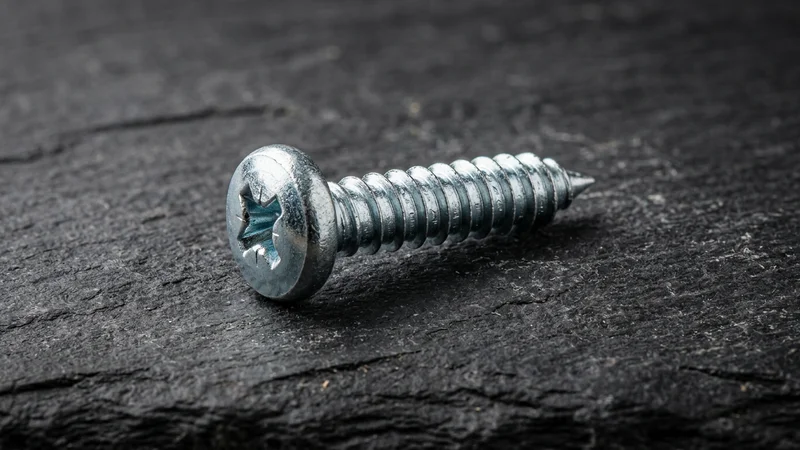
Self-Drilling Screw
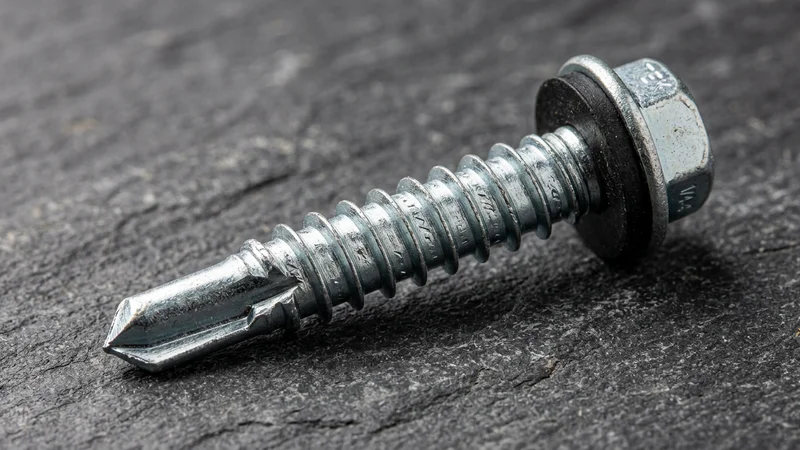
Drill-point tip that bores and threads in one pass.
Best for: Steel studs, metal roofing, duct
Set Screw
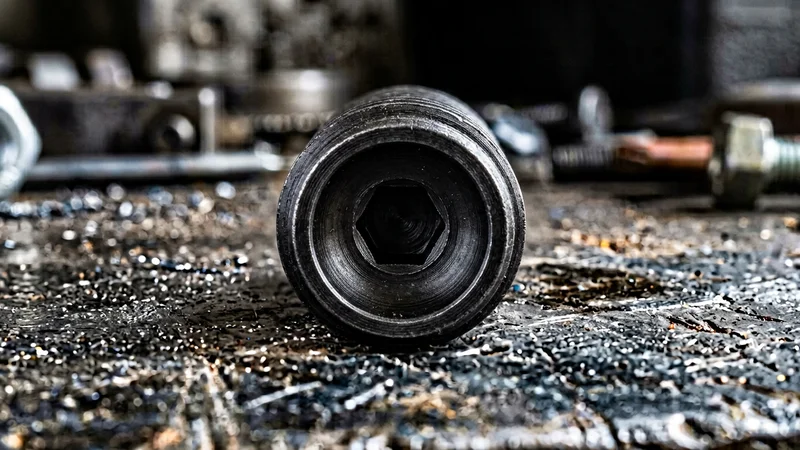
Headless screw that locks pulleys and collars to shafts.
Best for: Machinery, door handles, fixtures
Drywall Screw
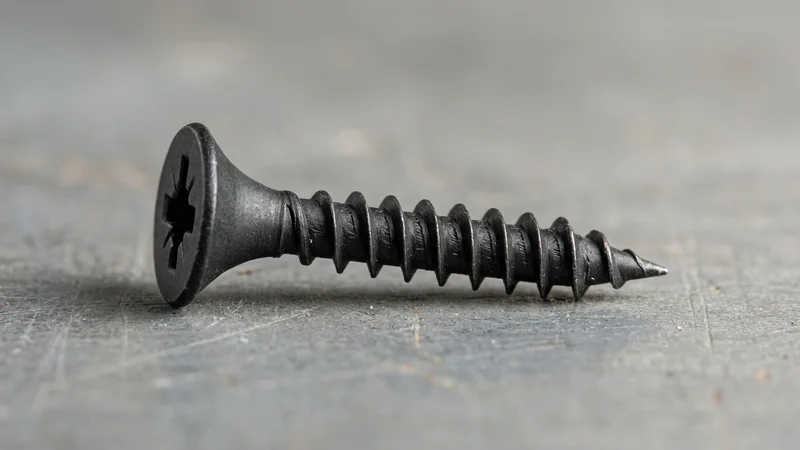
Bugle head that dimples paper without tearing.
Best for: Hanging drywall on wood or steel
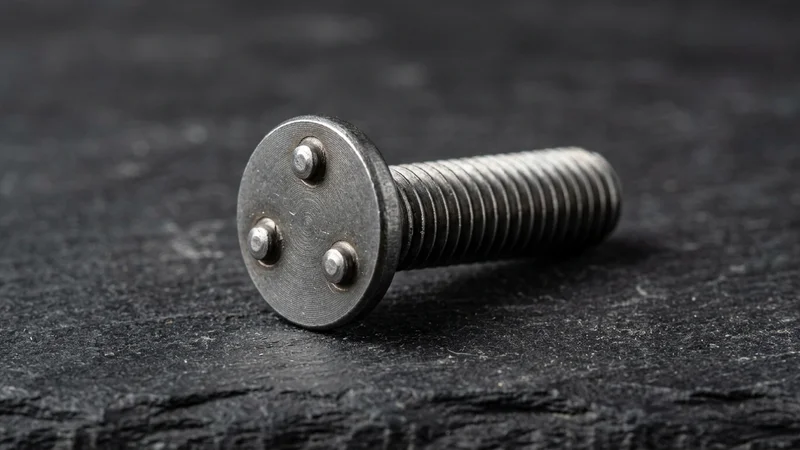
Security Screw
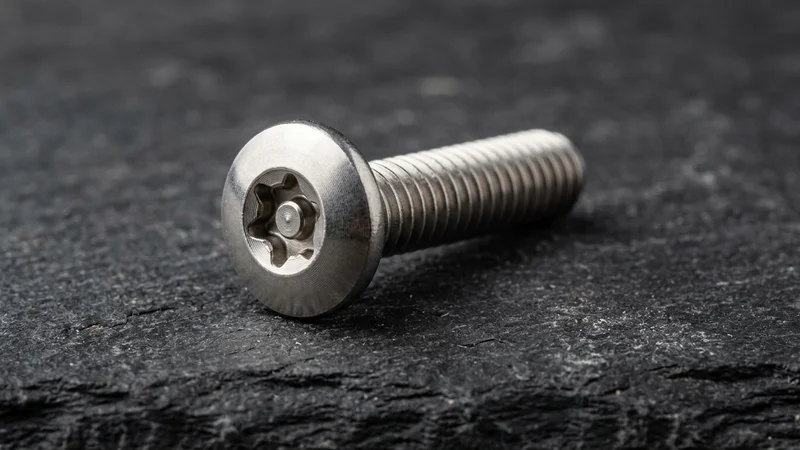
Tamper-resistant drive that needs a special bit.
Best for: Public fixtures, license plates, enclosures
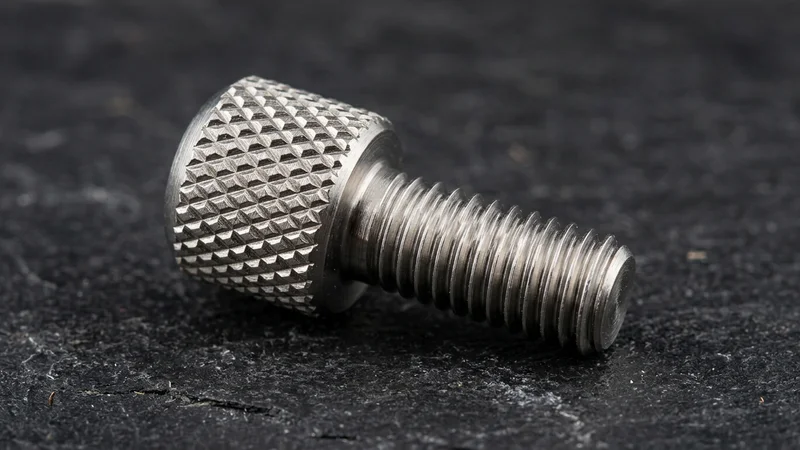
Captive Screw
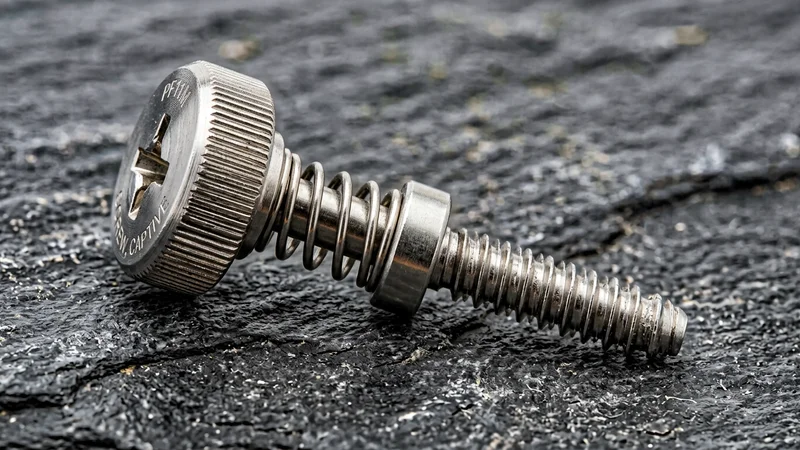
Stays attached to the panel when loosened.
Best for: Electronics enclosures, server racks
How to Choose
Also in the toolbox
- Screwdriver bit set (100-pc) — every drive this gallery can show
- 20V impact driver kit — drives them all
FAQ
What are the 3 most common types of screws?
Wood screws, machine screws, and drywall screws cover the vast majority of jobs. Wood screws (coarse thread, sharp point) join lumber; machine screws (uniform diameter) pair with nuts and tapped holes; drywall screws hang plasterboard. Everything else is a specialist.
How do I identify a screw type?
Read three features: the thread (coarse means wood, fine means metal or hardwood), the point (sharp for wood, blunt for machine, drill-bit for self-drilling), and the head and drive. Match those three to the photos above.
What is the difference between a screw and a bolt?
A screw threads into the material itself (or forms its own threads); a bolt passes through and clamps with a nut. Screws suit wood, sheet metal, and masonry; bolts suit structural joints where a nut can reach the far side.