Types of Washers and Their Uses (with Pictures)
Every washer family with pictures — flat, lock, spring, and sealing — and what each one does under the nut.
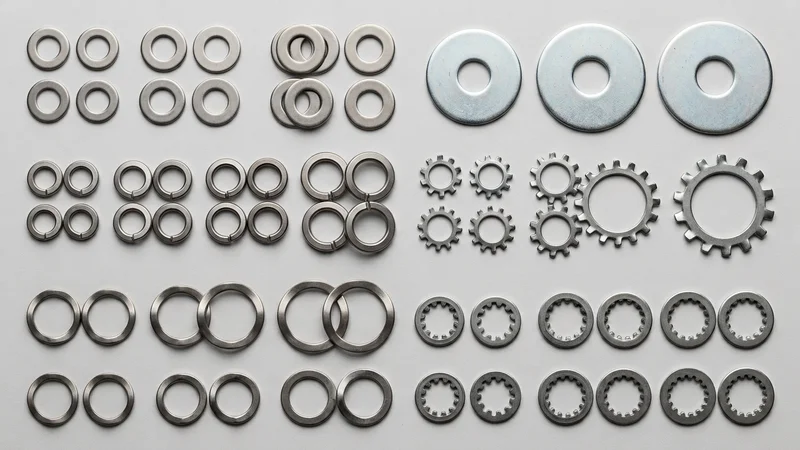
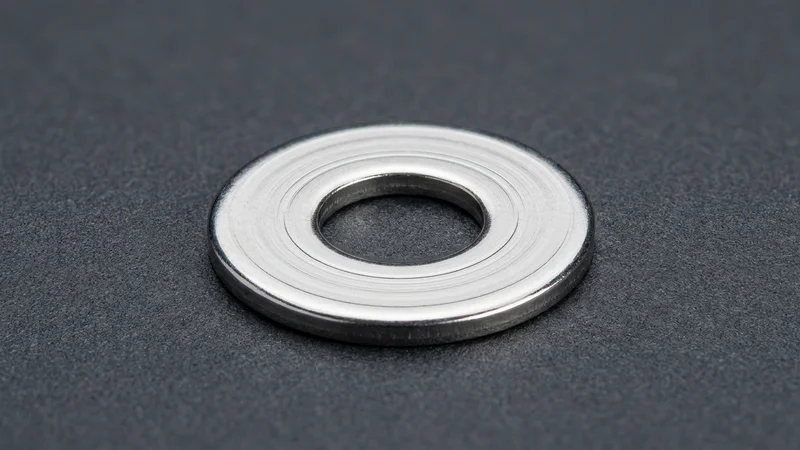
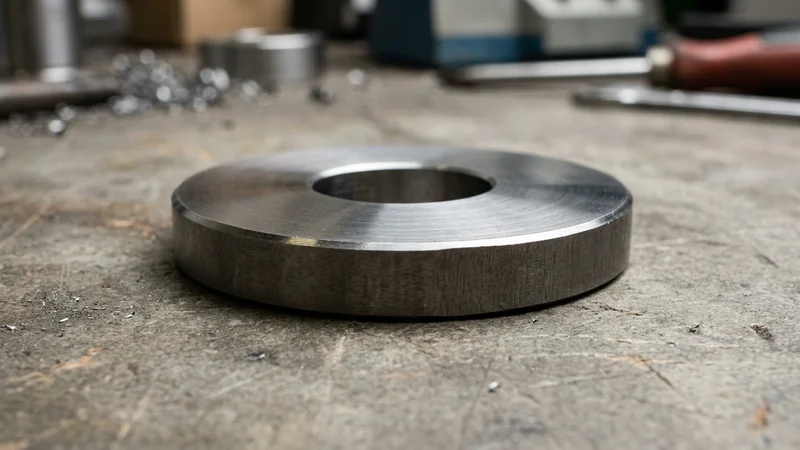
Fender Washer
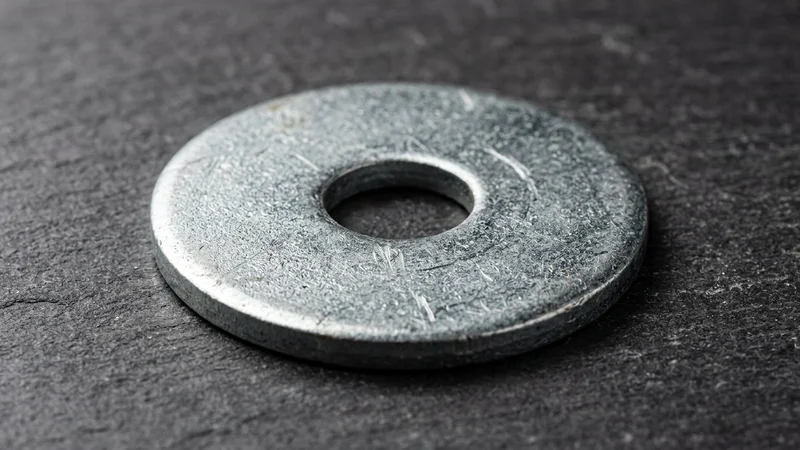
Oversized outside diameter for thin sheet and big holes.
Best for: Sheet metal, auto body, signs

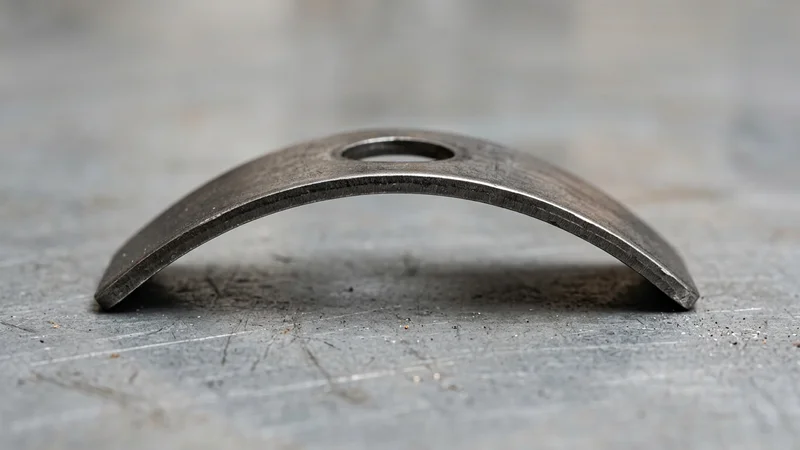
Belleville Washer
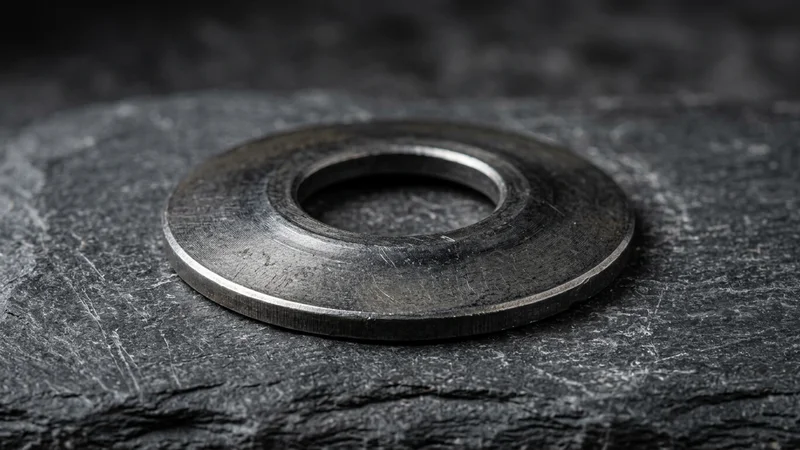
A conical spring for huge force in tiny spaces.
Best for: Thermal expansion, bolted flanges
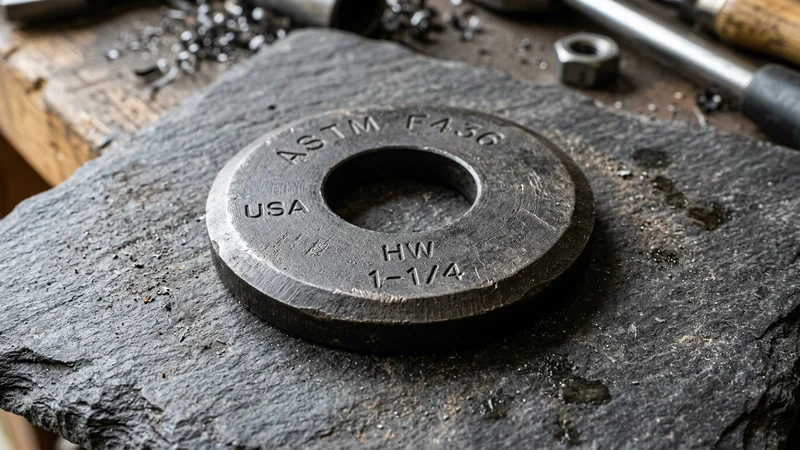
Tooth Lock Washer
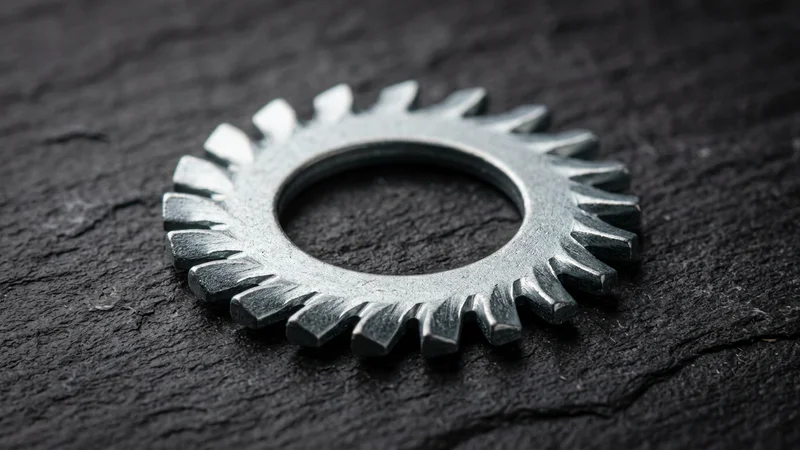
Teeth bite for grip plus electrical grounding.
Best for: Grounding lugs, light machinery
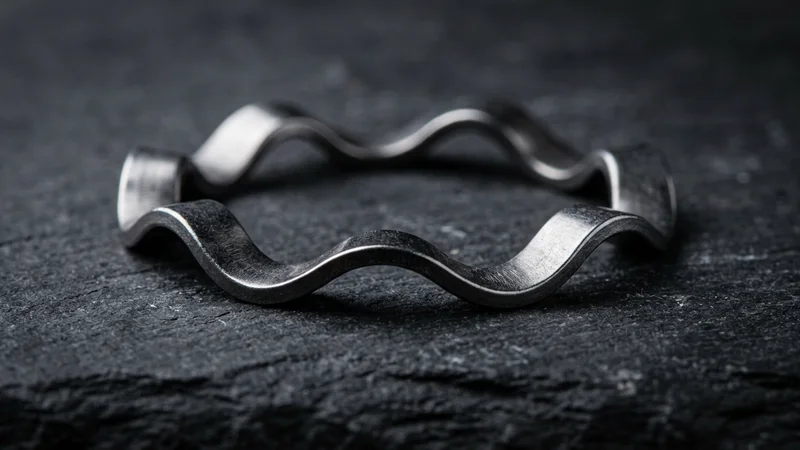
Bonded Sealing Washer
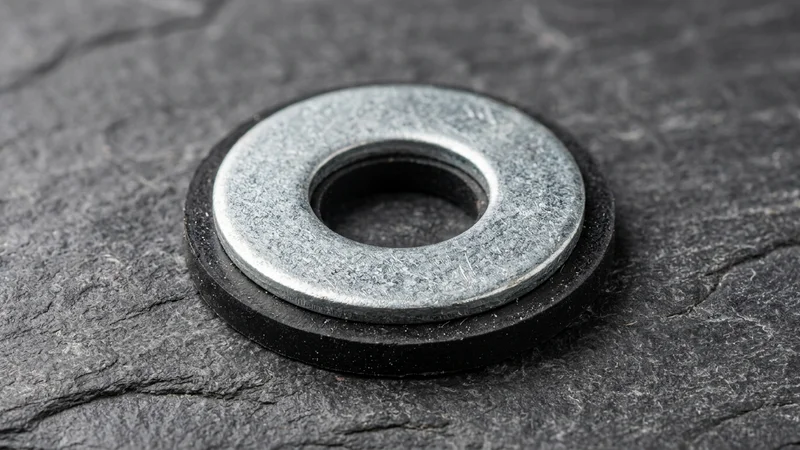
A rubber-bonded washer that seals under the head.
Best for: Roofing, siding, weatherproof joints
Finishing Washer
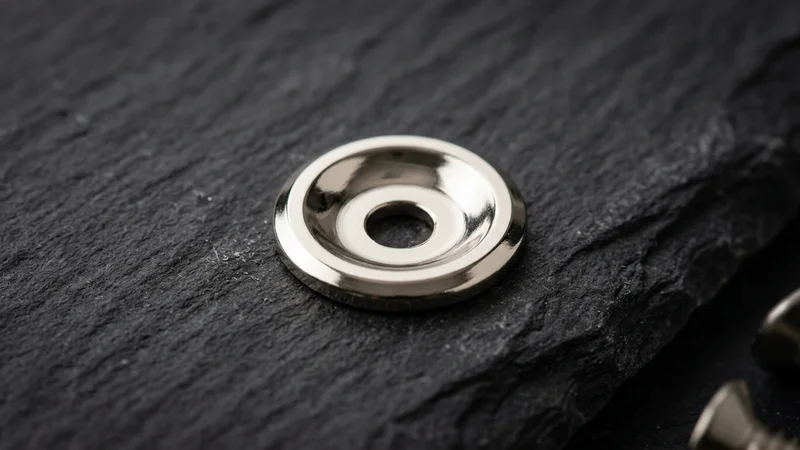
A countersunk cup for a clean flat-head seat.
Best for: Boat trim, cabinets, visible screws
Square Plate Washer
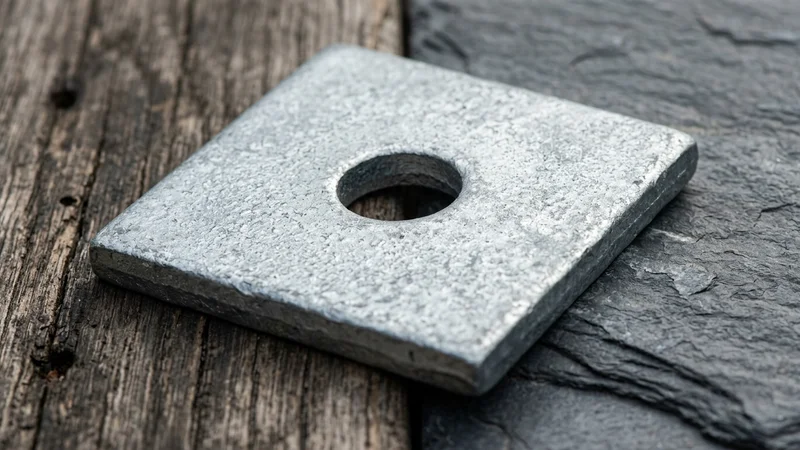
A big square plate for timber connections.
Best for: Post bases, ledgers, sill plates
How to Choose
Also in the toolbox
- Threadlocker (Loctite Blue 242) — outperforms every locking washer here
- Digital caliper — measures bore and thickness exactly
FAQ
What is the point of a washer?
Three jobs: spread the clamp load so the nut does not crush the material, protect the surface finish, and (for lock and spring types) resist loosening. In wood, washers are mandatory — bare nuts bury themselves.
Flat washer vs fender washer — when does it matter?
Fender washers have a much larger outside diameter for the same hole — they cover oversized holes and spread load on thin sheet metal that a flat washer would pull through. Use fenders on sheet, signs, and auto body.