Types of Nails and Their Uses (with Pictures)
Every nail that matters for wood construction — framing to finish — with pictures, penny sizes, and what each one is for. (Wood nails, not manicures: if it takes a hammer, it is here.)
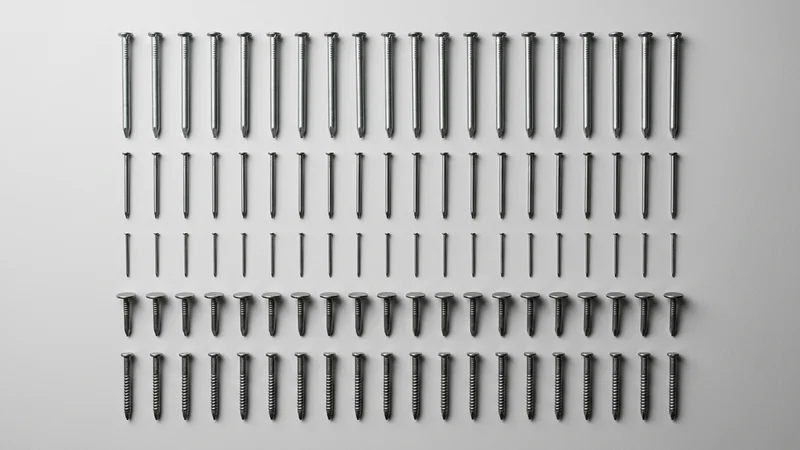
Common Nail
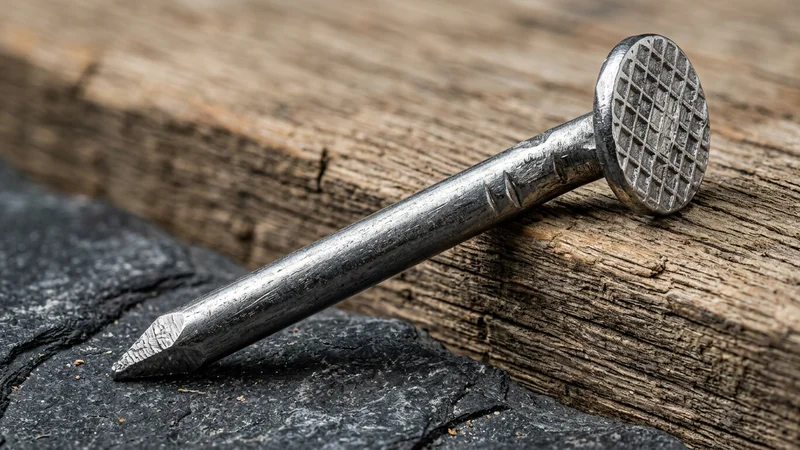
The default framing and construction nail — thick shank, big flat head.
Best for: Framing, sheathing, general carpentry
Box Nail
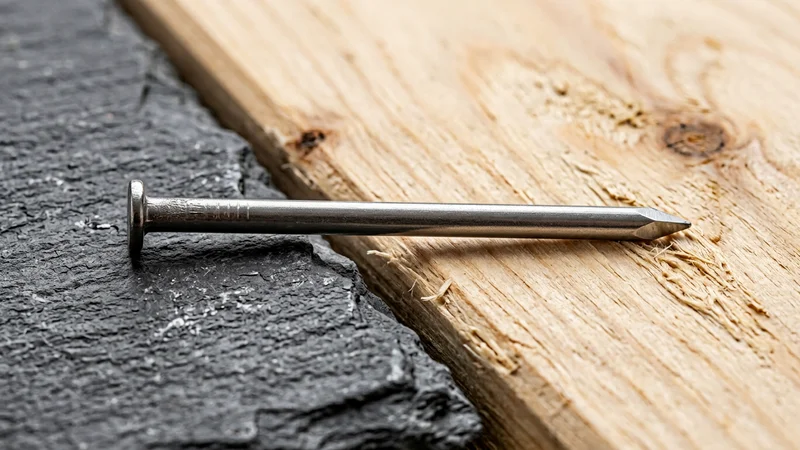
Thinner than common, so it splits less in lighter work.
Best for: Light framing, siding, trim-adjacent nailing
Finish Nail
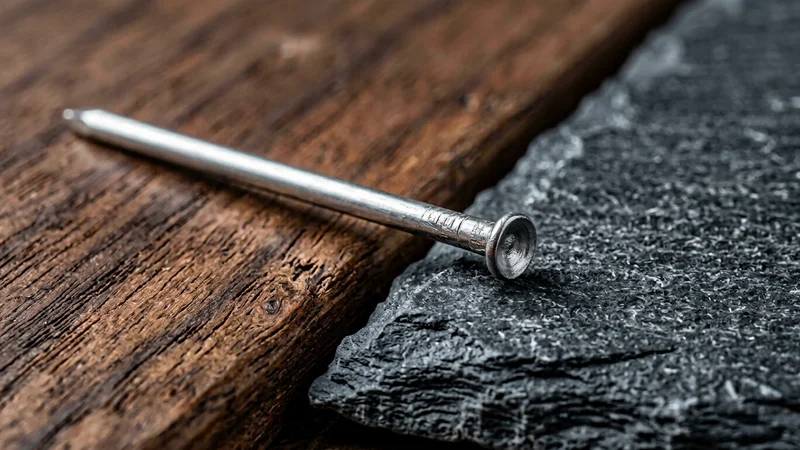
Small barrel head that sets below the surface and fills invisible.
Best for: Baseboard, casing, crown molding
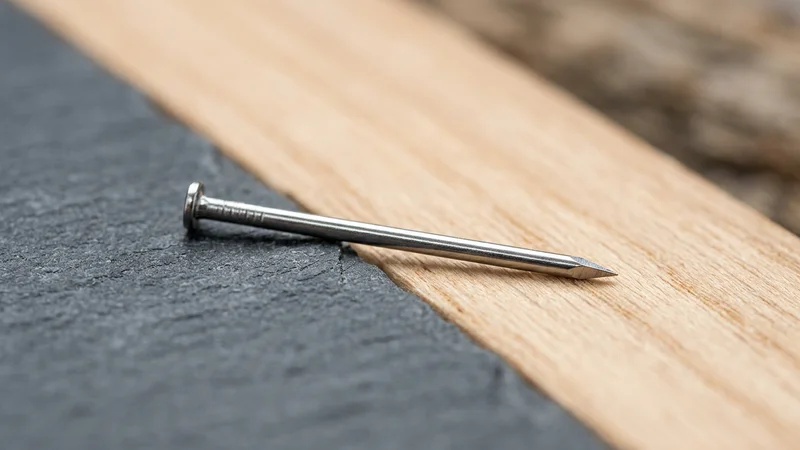
Casing Nail
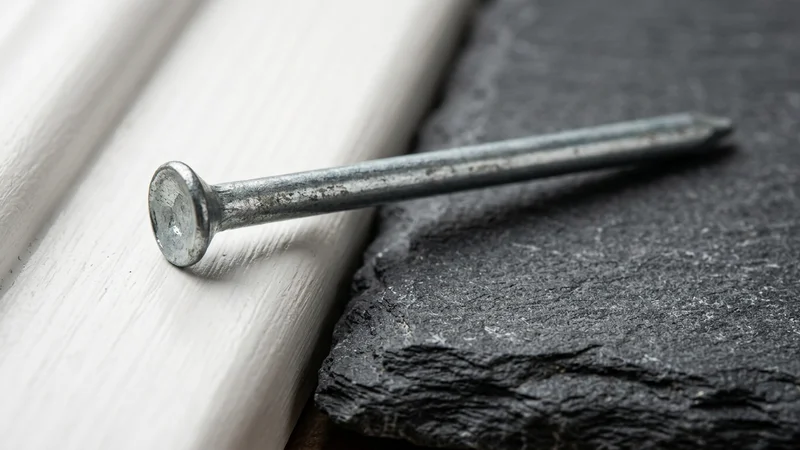
A slightly heavier finish nail with a tapered head.
Best for: Door and window casing, heavier trim
Roofing Nail

Wide 3/8-in head that holds shingles without tearing.
Best for: Asphalt shingles, underlayment
Framing Nail
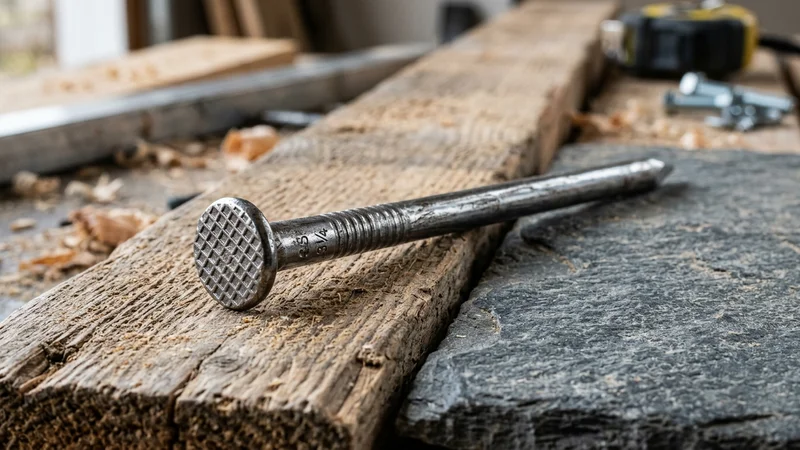
Full-size collated nails for framing nailers — 16d standard.
Best for: Stud walls, joists, rafters
Concrete Nail
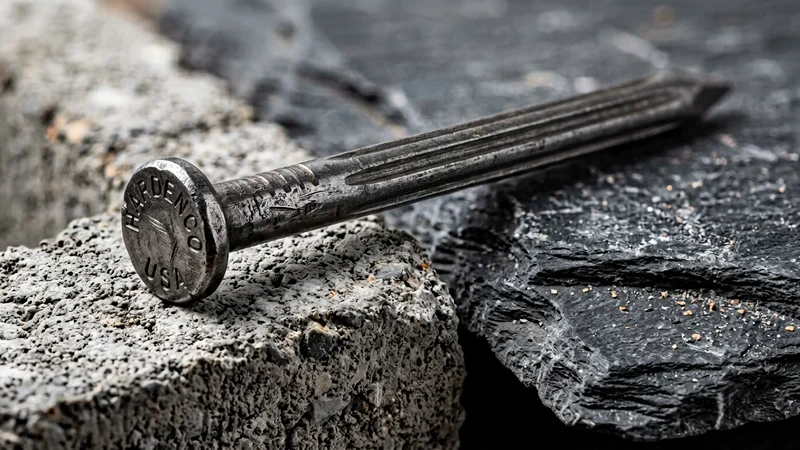
Hardened fluted shank that bites mortar and block.
Best for: Furring strips, plates on masonry
Duplex Nail
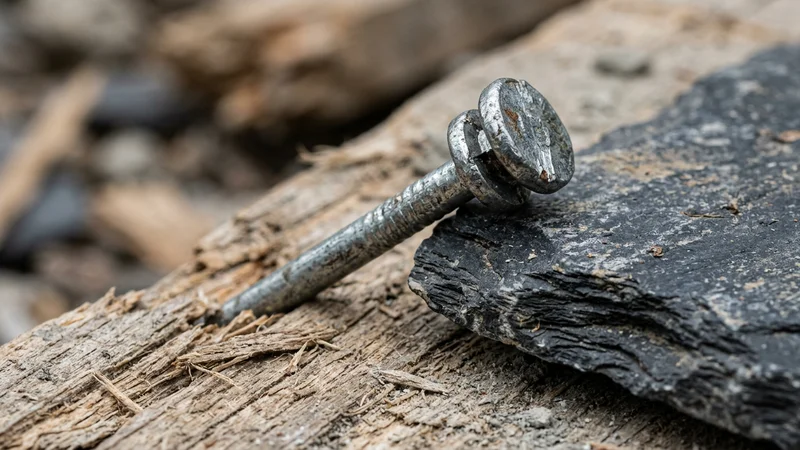
Double head for temporary work — pulls out clean.
Best for: Concrete forms, scaffolding, bracing
Ring Shank Nail
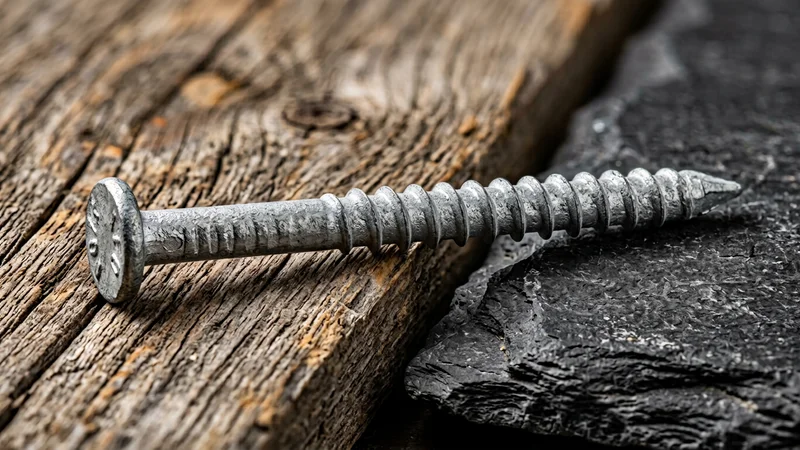
Annular rings grip like a screw — the hold king.
Best for: Subfloor, siding, decks, fencing
Screw Shank Nail
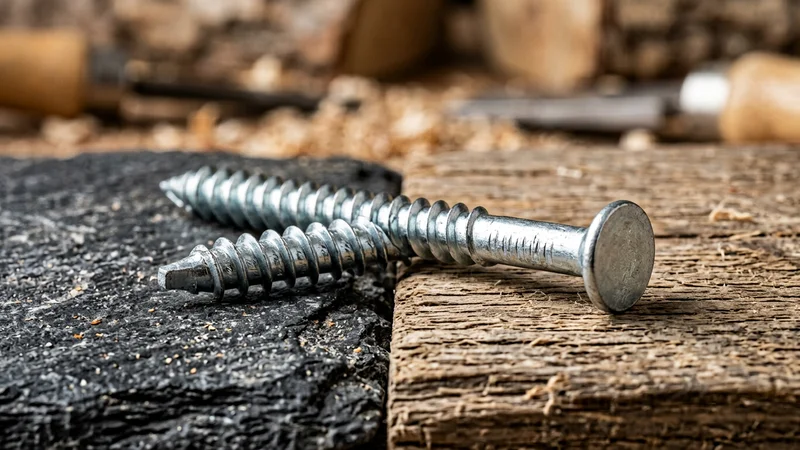
Spiral threads that twist in and refuse to back out.
Best for: Decking, pallets, crates
Corrugated Fastener
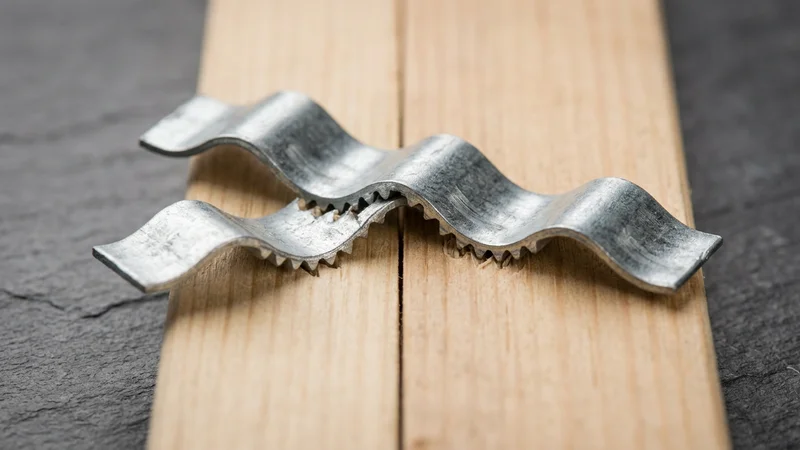
Ridged wiggle strip hammered across miter joints.
Best for: Picture frames, miter glue-ups
How to Choose
Also in the toolbox
- Estwing 16-oz framing hammer — the one hammer that drives them all
- 16-gauge finish nailer — for the trim half of this gallery
FAQ
How are nail sizes measured?
Framing and common nails use penny size (d) — 8d is 2-1/2 in, 16d is 3-1/2 in. Finish nails and brads use gauge (15, 16, 18) plus length in inches. Roofing nails use gauge plus length. When in doubt, length in inches is the number that matters.
Nails or screws for framing?
Nails — they bend under load instead of snapping, and framing nailers make them far faster. Screws win for decks, subfloor, and anything you may disassemble. Use code-listed structural screws if you want screw strength in framing.
Why do nails pop out of drywall?
Lumber shrinkage plus smooth shanks: as studs dry and move, smooth nails walk out. The fix is drywall screws beside the pops (rings or threads hold through movement) — or ring-shank nails if you insist on nailing.